

TL;DR — Quick Summary
- Wholesale buying from Japan is known for high quality, reliability, and long-term value
- Japanese suppliers prioritize process, compliance, and consistency
- Risks exist, but they are mostly operational and cultural, not quality-related
- Following best practices significantly reduces cost overruns and delays
- This guide explains why Japan is ideal, what to watch out for, and how to source successfully
How Does Wholesale Buying from Japan Work?
Wholesale buying from Japan involves sourcing products in bulk directly from Japanese manufacturers, exporters, or authorized distributors and importing them into international markets for resale or further distribution.
Unlike low-cost sourcing markets, Japan’s wholesale model emphasizes precision, documentation, and long-term partnerships rather than aggressive price negotiation.
Quick Summary:
Wholesale sourcing from Japan focuses on reliability over speed.
Why Businesses Choose Japan for Wholesale Purchasing
Japan has built a global reputation for manufacturing excellence and ethical business practices. For wholesale buyers, this reputation translates into predictable outcomes and lower long-term risk.
Businesses choose Japan because:
- Product quality is consistent across batches
- Compliance standards are already high
- Suppliers value long-term buyers
- Documentation and traceability are reliable
This makes Japan especially attractive for brands operating in regulated or premium markets.
Quick Summary:
Japan offers trust, not just supply.
What Makes Wholesale Buying from Japan Different from Other Countries?
Wholesale sourcing from Japan operates under a fundamentally different mindset compared to many other sourcing hubs.
Key differences include:
- Quality-first approach rather than price-first
- Conservative production planning
- Strict adherence to specifications
- Cultural emphasis on accountability
Where other markets optimize for speed and volume, Japan optimizes for accuracy and stability.
Quick Summary:
Japan trades flexibility for precision.
Benefits of Wholesale Buying from Japan
1. Consistent Product Quality
Japanese manufacturers follow standardized processes and documented procedures. As a result, product variation between batches is minimal.
For wholesalers, this means:
- Fewer customer complaints
- Lower return rates
- Stable brand perception
Quick Summary:
Consistency is Japan’s strongest advantage.
2. Strong Compliance and Safety Standards
Japanese products often meet or exceed international regulatory requirements before export.
This is especially valuable for:
- Food and beverages
- Cosmetics and skincare
- Electronics
- Consumer goods
High compliance reduces customs delays and regulatory risk in destination countries.
Quick Summary:
Compliance is built in, not added later.
3. Long-Term Supplier Reliability
Japanese suppliers prefer repeat buyers and stable relationships. Once trust is established, partnerships tend to be durable and predictable.
Benefits include:
- Stable pricing structures
- Reliable lead times
- Priority production allocation
Quick Summary:
Japan is built for long-term sourcing.
4. Premium Market Positioning
“Made in Japan” carries strong positive perception globally.
For wholesalers, this enables:
- Higher resale margins
- Easier entry into premium retail channels
- Stronger customer trust
Quick Summary:
Origin adds value beyond the product itself.
Common Risks in Wholesale Buying from Japan
While Japan is a safe sourcing market, risks still exist—mainly operational rather than quality-related.
1. Higher Upfront Costs
Japanese wholesale prices are generally higher than low-cost sourcing markets.
Contributing factors include:
- Skilled labor costs
- Strict quality control processes
- Lower tolerance for cost-cutting
However, these costs often offset downstream losses.
Quick Summary:
Japan costs more upfront but less over time.
2. Communication and Cultural Barriers
Japanese business communication is indirect and formal.
Common challenges:
- Slow negotiation cycles
- Reluctance to say “no” directly
- Preference for written documentation
Misinterpretation can cause delays if not managed properly.
Quick Summary:
Cultural understanding prevents friction.
3. Longer Lead Times
Japanese production planning prioritizes precision over speed.
Lead times may be longer due to:
- Conservative scheduling
- Detailed pre-production approvals
- Capacity protection for existing clients
Quick Summary:
Japan values accuracy over rush.
4. Limited Supplier Accessibility
Many Japanese wholesalers and manufacturers:
- Do not respond to cold emails
- Prefer introductions or referrals
- Work with a limited number of buyers
This makes entry difficult without local support.
Quick Summary:
Access requires trust, not volume.
Best Practices for Wholesale Buying from Japan
1. Focus on Relationship Building
Japanese suppliers value long-term intent.
Best practices include:
- Clear communication of business goals
- Respectful negotiation style
- Commitment to repeat orders
Quick Summary:
Relationships come before transactions.
2. Prepare Detailed Specifications
Vague instructions lead to delays.
Always provide:
- Exact product specifications
- Packaging and labeling requirements
- Quality benchmarks
Japanese suppliers follow instructions precisely.
Quick Summary:
Clarity prevents costly revisions.
3. Understand Compliance Requirements Early
Each product category has specific regulatory expectations.
Best practice:
- Confirm documentation needs before production
- Align labels and packaging with destination laws
- Validate export readiness
Quick Summary:
Compliance planning saves time later.
4. Start with Smaller Trial Orders
Initial orders help:
- Validate product quality
- Test logistics workflows
- Build supplier trust
Scaling becomes easier after successful trials.
Quick Summary:
Pilot orders reduce risk.
5. Use Structured Quality Control
Even in Japan, verification matters.
Recommended steps:
- Pre-production sample approval
- In-process checks (when possible)
- Final inspection before shipment
Quick Summary:
Trust is strong, verification is smarter.
Product Categories Best Suited for Japan Wholesale
Japan excels in categories where precision and safety are critical.
High-Performing Categories
- Packaged food and beverages
- Cosmetics and skincare
- Electronics and components
- Automotive parts
- Household and lifestyle goods
- Industrial tools and machinery
Quick Summary:
Japan is ideal where quality matters most.
Wholesale Logistics and Shipping from Japan
Japan’s logistics infrastructure is among the most reliable globally.
Advantages include:
- Modern ports and airports
- Accurate export documentation
- Predictable shipping schedules
- Strong cold-chain logistics
This protects product integrity during transit.
Quick Summary:
Logistics reliability supports quality sourcing.
Cost Structure in Japanese Wholesale Sourcing
Understanding cost components prevents surprises.
Typical cost factors:
- Unit manufacturing cost
- Packaging and labeling
- Compliance documentation
- Shipping and insurance
- Import duties and taxes
Transparency is high, but negotiation flexibility is limited.
Quick Summary:
Costs are clear, not negotiable-heavy.
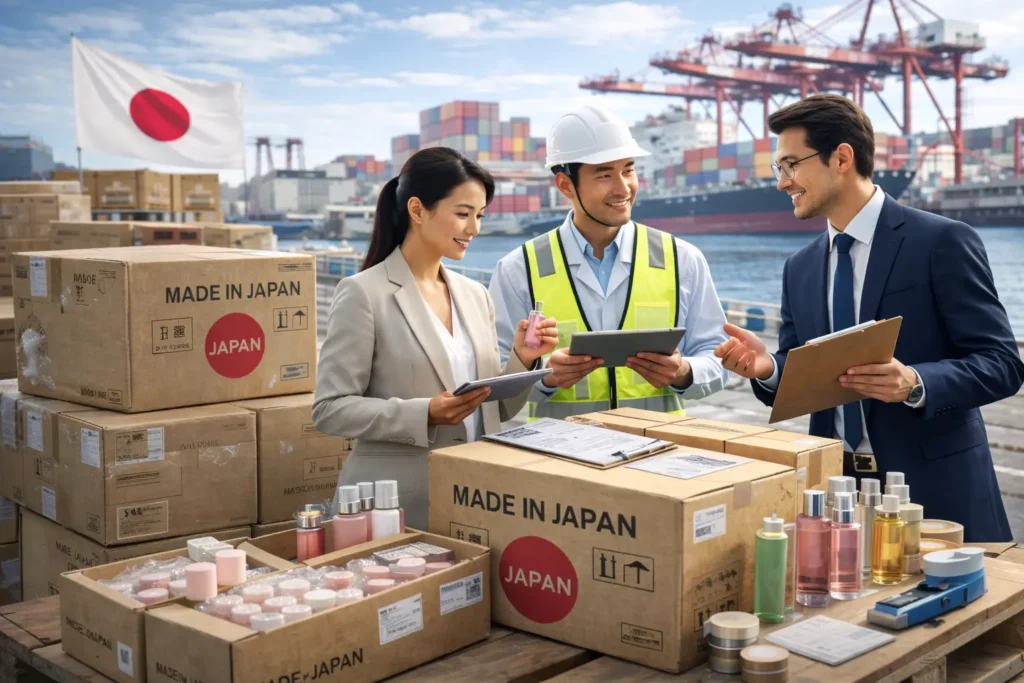
How Wholesale Buying from Japan Reduces Downstream Risk
Japan’s sourcing model reduces:
- Product recalls
- Regulatory penalties
- Brand damage
- Customer dissatisfaction
This is especially valuable in regulated markets such as the USA, UK, EU, Canada, and Middle East.
Quick Summary:
Risk reduction is Japan’s hidden ROI.
Mid-Article Quick Take
- Japan prioritizes process discipline
- Quality failures are culturally unacceptable
- Supplier reliability is long-term focused
- Compliance readiness lowers import risk
- Premium perception supports margins
Wholesale Buying from Japan for First-Time Importers
Japan is one of the safest markets for first-time wholesale buyers.
Why beginners benefit:
- Low fraud risk
- Transparent documentation
- Predictable lead times
- Clear communication standards
While not the cheapest option, it minimizes beginner mistakes.
Quick Summary:
Japan is beginner-safe but preparation-heavy.
How Wholesale Sourcing from Japan Builds Customer Trust
End customers associate Japanese products with:
- Reliability
- Safety
- Durability
This leads to:
- Fewer complaints
- Higher repeat purchases
- Stronger brand loyalty
Trust compounds over time.
Quick Summary:
Sourcing quality improves customer lifetime value.
Common Mistakes to Avoid When Buying Wholesale from Japan
- Focusing only on price
- Rushing negotiations
- Ignoring cultural etiquette
- Underestimating lead times
- Skipping documentation review
Avoiding these mistakes dramatically improves outcomes.
Quick Summary:
Most failures are procedural, not supplier-driven.
Long-Term Strategy for Successful Japan Wholesale Sourcing
Sustainable success requires:
- Consistent order volumes
- Respectful supplier communication
- Clear growth plans
- Ongoing compliance alignment
Japan rewards patience and professionalism.
Quick Summary:
Japan sourcing works best as a strategy, not a shortcut.
Final Takeaway
Wholesale buying from Japan offers unmatched consistency, safety, and long-term value. While it may not provide the lowest upfront costs, it significantly reduces operational risk, compliance issues, and brand damage over time.
For businesses that prioritize quality, trust, and sustainability, Japan remains one of the best wholesale sourcing destinations in the world.
Now that the benefits, risks, and best practices are clear, the next step is structuring a Japan wholesale sourcing strategy that aligns with your long-term business goals. Read our other blogs.