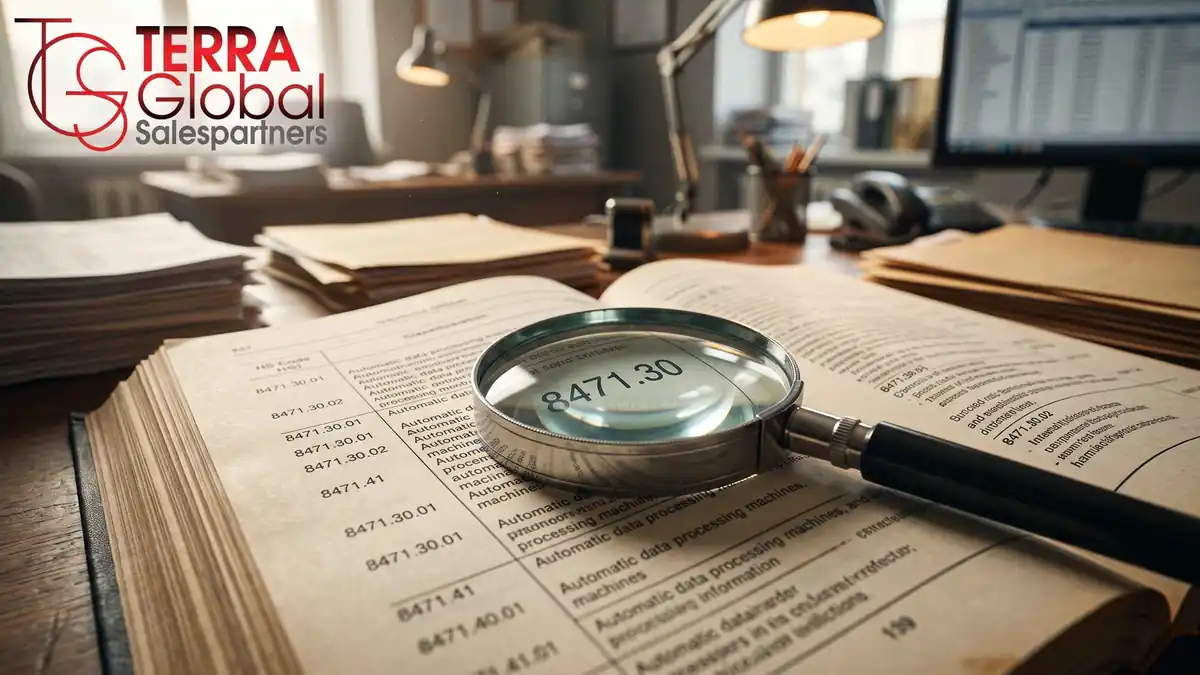
A single wrong digit in your HS codes can mean serious overpayment, or a penalty for underpayment. Classification errors are among the most expensive mistakes an importer can make, yet most are preventable. If you handle Japanese imports, mastering HS codes is the highest-ROI skill in your trade compliance toolkit.
This guide shows how tariff classification works, how to read the tariff schedule, and how to stop overpayment or underpayment for good. Terra Global Sales Partners classifies every import before it ships, product specifications checked, country of origin confirmed, duty calculator run, so the duty rate you budget is the duty rate you pay.
How the Harmonized Tariff Schedule Works for HS Codes and HTS Codes?
The Harmonized System, the global language of tariff classification maintained by the WCO, assigns every product a 6-digit tariff code. The U.S. extends this to a 10-digit number in the HTSUS, the Harmonized Tariff Schedule of the United States. Your six-digit HS code forms the international base. The full HTS code adds U.S.-specific detail.
HS codes determine your duty rate, your MFN rate treatment, and whether preferential rates apply. Use the wrong HS codes and customs authorities in two countries may classify the same goods differently, correct codes harmonize treatment across borders. Learn the Harmonized System structure once and it pays off on every import, because the economics of the tariff itself shape every sourcing decision.
Related, Import Export Process from Japan, Documents, Costs, Timeline Explained Ajinomoto Pure Select Mayonnaise 400g
Tariff Classification Basics, Headings, Subheadings, and Product Specifications
Classification follows a hierarchy, section, chapter, heading (4 digits), subheading (6 digits), then national subheadings. Read the product specifications first, information about product composition, function, and materials decides the heading, not the marketing name. A device that might be classified as either electrical machinery and equipment or an instrument needs engineering input, not guesswork.
The system rewards precision, the difference between two subheadings can be duty-free versus dutiable. When in doubt, request a binding ruling rather than gambling on a tariff rate.
Related, Customs Clearance in Japan, Your Complete Importer Guide Daisho Dressing Wasabi Flavour 150ml
A 2026 Importer’s Workflow and Duty Calculator for Classifying Japanese Imports

2026 is a good year to systematize. The importer’s workflow, gather product descriptions and specs, identify the correct heading, check 2025 changes (several implementing tariff actions took effect, a proclamation signed in January might be effective Feb 24, giving you weeks to adjust), confirm country of origin, then run the duty calculator.
HS codes for imports from Japan deserve extra care, electronics, auto parts, and food each hide classification traps. Codes verified against the current tariff schedule before you buy beat codes argued about after CBP holds your container.
Related, How to Find Reliable Japanese Wholesale Suppliers Aohata Verde Garlic Toast Spread 100g
Reading the Tariff Schedule, Duty Rates, MFN Rates, and Customs Duty Rates
The tariff schedule lists every duty rate, the MFN rate (normal trade relations), preferential rates under free trade agreements, and special program rates. Customs duty rates for Japanese imports depend on the HTS code plus any Section 232 or Section 301 additions, the base rate is only the starting point.
HS codes tell you which column applies, but always check the notes, a different tariff may apply based on value thresholds or specific rules of origin.
| Rate type | What it is | When it applies |
|---|---|---|
| MFN rate | Standard WTO rate | Default for Japanese imports |
| Preferential rate | FTA or trade-deal rate | With a valid origin claim |
| Section 232 / 301 | Additional national-security duties | On covered products |
Related, How to Reduce Import Costs When Buying from Japan Asahi Ippon Manzoku Bar Protein Black 39g
Section 232, Section 301, and IEEPA Tariffs, and When Standard Rates Don’t Apply?
Base rates are only half the story in 2026. Section 232 tariffs, imposed on statutory national-security grounds, hit steel, aluminum, autos, and auto parts. Section 301 duties target China-origin goods. The IEEPA tariff actions added another layer, announced as a national security threat response.
HS codes determine exposure, passenger vehicles and light trucks face stacked duties when Section 232 applies, no matter how clean the classification. The math for Japanese passenger cars is stark, a 2.5% base MFN duty plus Section 232 tariffs plus any IEEPA tariff equals a very different tariff from the schedule’s first column. Classification must be right and the additional-duty stack must be modeled, your customs broker should show you both.
Related, Japan vs China Manufacturing Fanta Melon Soda
Qualifying for Preferential Rates, Country of Origin, Free Trade Agreements and the US–Japan Deal
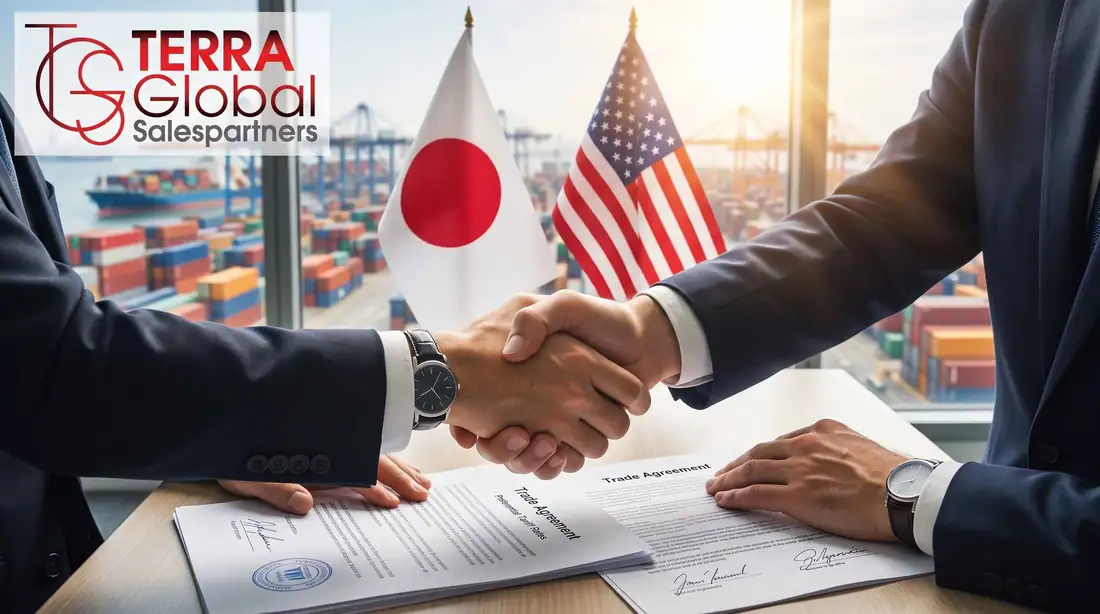
Duty depends on where goods originate, not just what they are. Country of origin rules decide whether your Japanese imports qualify for preferential treatment, and eligibility hinges on specific rules of origin in each free trade agreement.
HS codes and origin work as a pair, the US–Japan trade agreement and its 2025 framework agreement created a deal rate structure importers must claim proactively. The framework established new staging, but only for goods that originate in Japan and meet the origin test. A customs broker or trade compliance specialist should validate every claim, backed by your exporter’s origin statement.
Related, Step-by-Step Guide to Importing Goods from Japan Aohata Spoon-Free Grape Jam 165g
Getting Import Tariffs Right With Customs Clearance and Customs Compliance
Customs clearance is where HS codes meet reality. CBP compares your declared tariff classifications against its own analysis of the product specifications, mismatches trigger exams, delays, and penalties for non-compliance.
Build customs compliance into your process, keep legally required records, declare the correct customs value, and pay the merchandise processing fee and harbor maintenance fee without surprises. Import tariffs done right mean faster release and no unwelcome letters from customs authorities. Share the confirmed code with your freight forwarder before the goods sail, so the booking, the declaration and the arrival notice all match. Legal compliance is cheaper than penalties, every time, and the customs process rewards the prepared.
Related, Common Import-Export Mistakes When Sourcing from Japan · QBB Premium Baby Cheese Truffle 4pcs
How 2025 Trade Policy and Trade Agreements Reshape Your Tariff Classifications?
Trade agreements don’t just cut rates, they modify classification outcomes through product-specific rules. The bilateral US–Japan deal rate framework shows how trade policy and tariff schedules interact, restructuring a supply chain to originate more content in Japan can change both the applicable treatment and the rate.
HS codes stay constant, but tariff classifications’ financial impact shifts with every trade agreement. Review classifications annually, what was optimal under MFN may be suboptimal once a preferential rate exists.
Related, Most Profitable Japanese Products to Import in 2026 · Ariake Nagasaki White Broth 1.8L
Common Classification Errors That Cause Overpayment, Underpayment and Trade Compliance Risk
The classic classification errors, copying a supplier’s code without verification, classifying by marketing name instead of composition, and missing 2025/2026 schedule updates. Each causes overpayment or underpayment, underpayment brings penalties while overpayment just bleeds margin.
Your classifications deserve a second pair of eyes, information about product function, materials, and use. When customs regulations change, and in the U.S. they change often, re-verify every active code. A yearly trade compliance review pays for itself.
Related, Quality Control Standards in Japan, What Global Buyers Must Know · Asahimatsu Freeze-Dried Natto 30g
How Terra and Your Customs Broker Harmonize Classification Across Every Shipment?
Terra Global Sales Partners exists to harmonize the messy middle of importing. Every import gets correct HS codes, validated country of origin, and the right duty rate, customs broker coordination included, before goods leave Japan’s ports.
Correct classification handled once compounds across every shipment, faster customs clearance, accurate import duties, and no surprise bills. One partner, one duty calculator, zero classification anxiety.
Related, Why Terra Global Sales Partners Is a Trusted Trading Partner in Japan · Ajinomoto Koku no Chikara Chicken 200g
Conclusion
HS codes are the lever that moves your import duties, master tariff classification and you stop leaving money at the border. Verify product specifications, confirm country of origin, model the full duty stack, and claim every preferential rate you’ve earned. Terra Global Sales Partners bakes correct HS codes into every shipment, so your 2026 imports clear fast and pay exactly what they should, never more.
Not sure your HS codes are right? See our customs clearance in Japan service or request a classification and duty quote from Terra Global Salespartners.
FAQs
What is the difference between HS and HTS codes?
The HS is the 6-digit international base. HTS codes add country-specific digits, 10 in the U.S. system.
How do I find the right HS code for my product?
Start with product composition and function, search the tariff schedule, and confirm with a customs broker or binding ruling.
Do Section 232 tariffs apply on top of normal duty?
Yes. They stack on the base MFN rate, so model the combined duty before pricing your imports.
Can I get a refund if I overpaid duties?
Yes, through protests or duty drawback claims, but correct classification upfront is faster and cheaper.
How often do tariff schedules change?
Annually at minimum, plus mid-year trade actions. Re-verify your codes every year and after major policy shifts.