
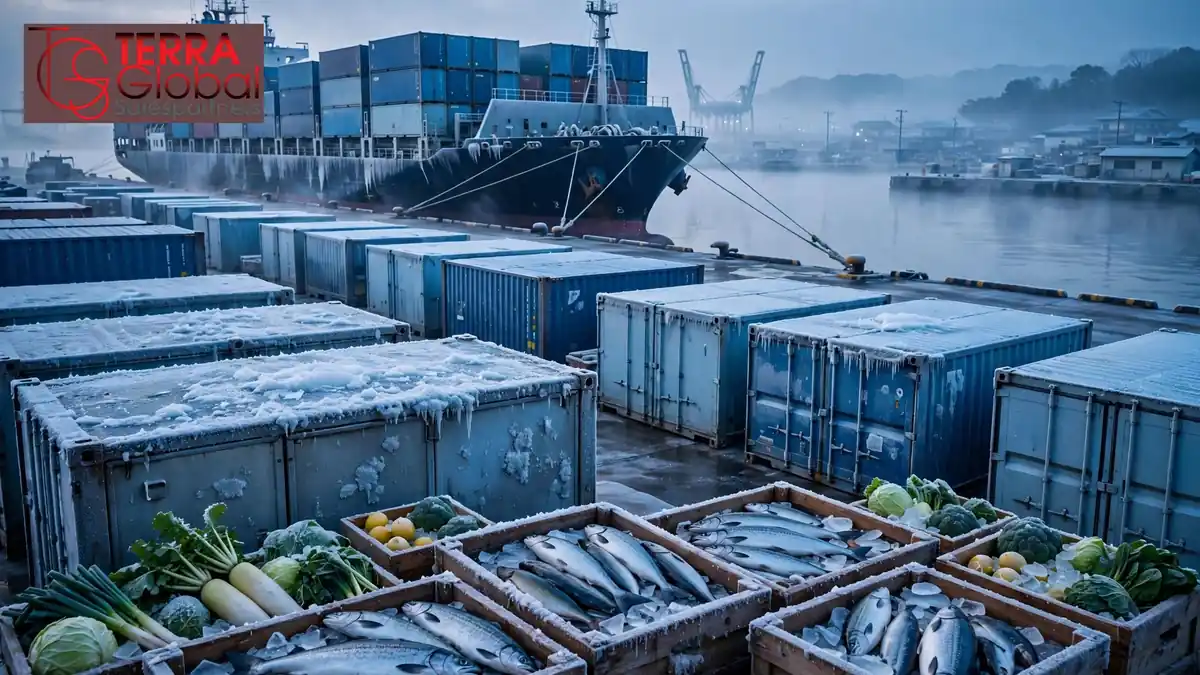
Japanese cheese, butter and premium seafood lose their value the moment temperature slips. For importers, cold chain logistics is the difference between fresh, sellable product and a container of waste. Every frozen food shipment from Japan depends on unbroken refrigeration from factory to final delivery.
This guide explains how temperature-controlled supply chain planning works, what reefer options cost, and how Terra Global Sales Partners runs end-to-end cold chain operations for food shipment to the USA or Canada. You will learn to optimize every leg, cut food waste, and protect product quality with proven cold chain logistics methods.
What Cold Chain Logistics Means for Japanese Food Imports?
A cold chain is a temperature-controlled supply chain for perishable goods. It links cold storage warehouses, refrigerated and frozen transport, and real-time monitoring into one system. When any link breaks, spoilage starts within hours, and freshness never comes back.
The cold chain concept is simple, keep temperature-sensitive products inside their temperature ranges from origin to destination. For Japanese exports like Hokkaido butter and fresh seafood, that means meticulous planning, a reliable power source at every handoff, and technology solutions that track temperature continuously. Importers new to cold chain logistics should start by mapping every handoff before booking anything.
Related, Japanese Food Wholesale, Your Global Sourcing Partner
Top Cold Chain Companies in Japan for Food Shipment
The top cold chain logistics providers in Japan run bonded cold storage near major ports and pair it with multimodal freight options. Choosing a logistics company comes down to three things, proven refrigeration systems, transparent freight costs, and analytics you can actually read.
A strong partner for end-to-end moves handles customs clearance, cold storage, and last-mile delivery under one contract. Terra Global Sales Partners works with vetted companies in japan that specialize in food distribution, so your perishable items never sit waiting on a hot dock. Good cold chain logistics partners also publish their temperature integrity records.
Related, How to Choose a Freight Forwarder in Japan · QBB Premium Baby Cheese Truffle 4pcs
Reefer Freight Options by Sea, Air and Land
A reefer is a refrigerated container with its own cooling unit. Sea freight in reefers suits large frozen goods volumes, air freight suits urgent fresh produce, and land freight connects ports to inland warehouse hubs. Each mode has a different cost and risk profile.
| Mode | Best for | Transit time | Cost level |
|---|---|---|---|
| Sea reefer | Large frozen volumes | 2 to 4 weeks | Low |
| Air freight | Fresh produce, urgent goods | 1 to 3 days | High |
| Land reefer | Port to warehouse moves | 1 to 2 days | Medium |
For food and pharmaceuticals, air freight is often non-negotiable despite the price. For high-volume frozen food shipment needs, sea reefers win on cost per kilo. Terra Global Sales Partners compares multimodal freight solutions for every shipment and picks the mix that protects temperature integrity at the lowest workable cost. The refrigerated container keeps cargo cold even when the vessel loses power briefly.
Related, Global Shipping from Japan, Air Freight vs Sea Freight · Snow Brand Hokkaido Butter 200g
How to Refrigerate Perishable Goods, Temperature Bands That Matter
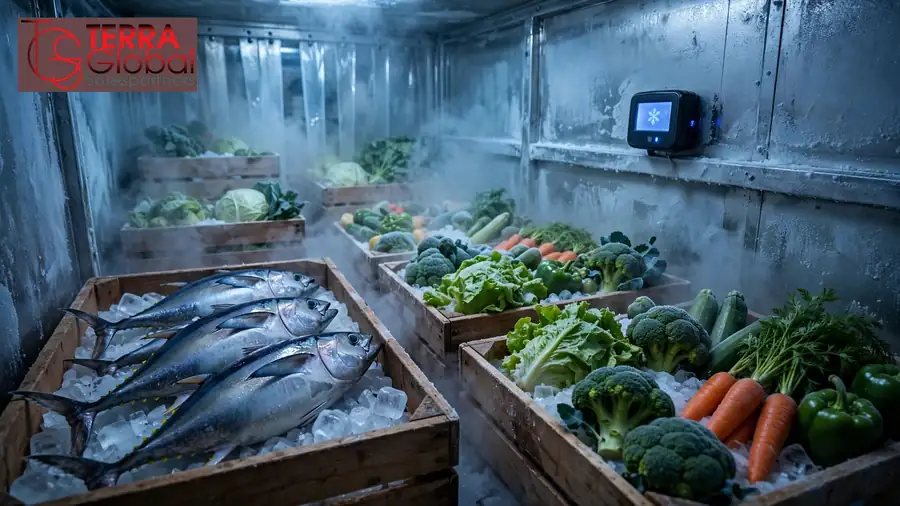
To refrigerate correctly, match the product to its band. Chilled dairy holds at 0 to 4 degrees, frozen goods hold at minus 18 or below, and premium tuna demands deep-freeze at -30°C. The wrong band is as bad as no refrigeration at all.
Insulation materials and insulated packaging add a safety buffer during handoffs. A standard freezer backed by a generator keeps product safe during port delays. Temperature control logs prove compliance if a buyer questions freshness. Terra Global Sales Partners records temperature control data for every perishable load, so you can show buyers exactly what happened, origin to destination. Smart cold chain logistics planning always includes a backup cooling plan.
Related, Quality Control Standards in Japan, What Global Buyers Must Know · Meiji Hokkaido Tokachi Camembert Cheese 90g
End-to-End Chain Services, From Cold Storage to Final Delivery
End-to-end chain services mean one logistics company owns the whole journey. Pickup at the supplier, cold storage consolidation, reefer loading, ocean freight, customs clearance, and final delivery stay under single accountability. Nothing falls between vendors.
This model lets you simplify your supply chain instead of juggling five contractors. With real-time alerts and a single shipper contact, risk exposure drops sharply. Terra Global Sales Partners designs end-to-end cold chain programs where cold chain management covers every handoff, and one team answers for product quality. That is the core promise of true cold chain logistics.
Related, Japan 3PL Services, How Third-Party Logistics Works
Cold Chain Services and Solutions for Food Exporters
Good cold chain services bundle chain solutions like blast freezing, cold storage, and temperature-controlled cross-docking. The right logistics solutions for food shipment to the USA depend on your business needs, volume, season, and buyer requirements.
Cold chain solutions must be scalable. In 2026, seasonal spikes around holidays strain capacity, so book reefer space early. Terra Global Sales Partners builds solutions for food exporters that flex with demand, from trial frozen food shipment runs to full-container programs, all with latest technology monitoring. Flexible cold chain logistics scales with your growth.
Related, Most Profitable Japanese Products to Import in 2026 · Morinaga Philadelphia Creamy Cheese 99g
Choosing a Logistics Company With True Global Reach
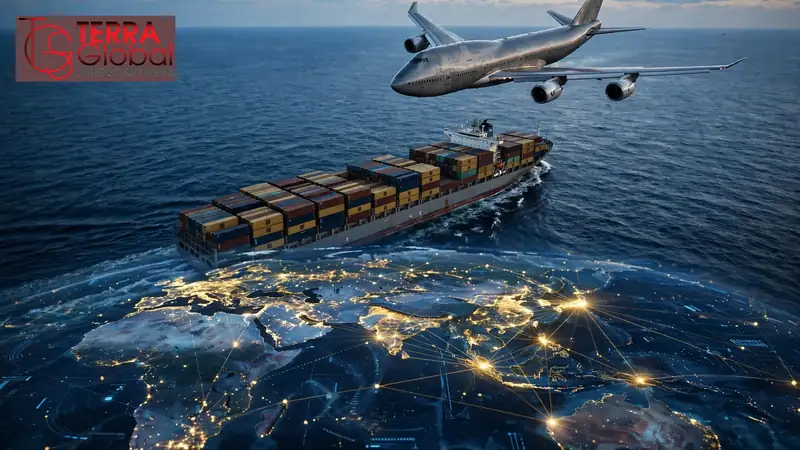
Choosing a logistics company means checking global reach, food and pharmaceuticals experience, and risk assessment discipline. Ask for temperature integrity records, automation levels, and how they handle frozen shipments during long-haul delays.
A provider with global reach and its own cold storage network in Japan gives you options when ports congest. Terra Global Sales Partners qualifies every logistics service partner on shelf life outcomes, not promises, so your temperature-sensitive cargo arrives with freshness intact. This is where professional cold chain logistics earns its fee.
Related, How to Reduce Import Costs When Buying from Japan · QBB 6P Camembert Cheese 90g
Streamline Your Shipment, Costs, Timing and Risk
To streamline a shipment, consolidate suppliers into one cold storage hub, then load a full reefer. Full containers cut freight costs per unit and reduce handoffs. Route optimization software then picks the fastest reliable lane.
Logistical risks cluster around transfers, so meticulous scheduling matters more than speed. Build alert thresholds into the plan, and never allow non-refrigerated gaps between legs. Keep insulated packaging as backup for every transfer. Terra Global Sales Partners uses route optimization and iot sensors to streamline every frozen food shipment, giving you real-time visibility. Data-driven cold chain logistics removes guesswork from timing decisions.
Related, Import Export Process from Japan, Documents, Costs, Timeline Explained · Snow Brand 6P Cheese 102g
Cold Chain Logistics FAQs, Quick Answers for Importers
These FAQs cover cost, timing, and risk assessment basics for refrigerated and frozen transport from Japan. Every shipment to the USA or Canada follows the same principles, control the temperature ranges, document everything, and choose partners with proven cold chain management. When teams truly understand cold chain logistics, fewer loads are lost.
Related, Step-by-Step Guide to Importing Goods from Japan · QBB 6P Aged Cheddar Cheese 102g
Why Terra Global Sales Partners Is Your Cold Chain Partner
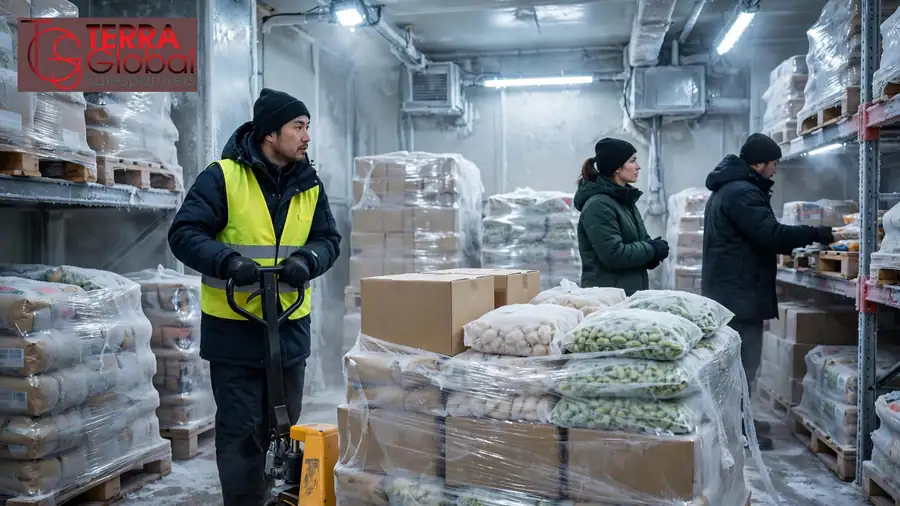
Terra Global Sales Partners is a logistics company built for Japanese food exports. We combine sourcing, cold storage, reefer freight booking, customs clearance, and food distribution so you deal with one team. Our cold chain management treats temperature integrity as non-negotiable.
From trial cartons to full frozen food shipment programs, we optimize end-to-end cold chain flows for your business needs. One partner, one delivery promise, zero spoilage surprises. That is how you simplify your supply chain for good. Partner with Terra Global Sales Partners and make cold chain logistics your competitive edge.
Related, Customs Clearance in Japan, Your Complete Importer Guide · Koiwai Farm Hors d’Oeuvre Cheese Onion 42g
Conclusion
Cold chain logistics is the backbone of profitable Japanese food imports. Control temperature ranges, choose proven cold chain services, and partner with a logistics company that owns the outcome. Terra Global Sales Partners keeps your perishable goods safe, your costs clear, and your buyers happy, origin to destination.
Planning a chilled or frozen food shipment from Japan? See our logistics in Japan service or request a shipping quote from Terra Global Salespartners.
FAQs
What is a cold chain?
It is the temperature-controlled supply chain that keeps perishable goods cold from origin to destination.
How much does a reefer shipment from Japan cost?
Rates vary by lane and season, but full-container reefer sea freight usually beats air on cost per kilo.
How long does a frozen food shipment take?
Ocean freight takes two to four weeks, air freight takes one to three days, plus customs clearance time.
What temperature do frozen goods need?
Most frozen goods hold at minus 18 degrees or below, premium tuna needs deep-freeze at -30°C.
Can Terra handle my food shipment to the USA?
Yes, Terra Global Sales Partners runs end-to-end cold chain programs for food shipment to the USA or Canada.