
A single wrong trade term on your commercial invoice can add thousands to a shipment from Japan. Incoterms are the international commercial terms that decide who pays for freight, who handles export paperwork and where risk transfer happens. For 2026, Incoterms 2026 remain the global standard, and picking the wrong one quietly inflates your landed cost.
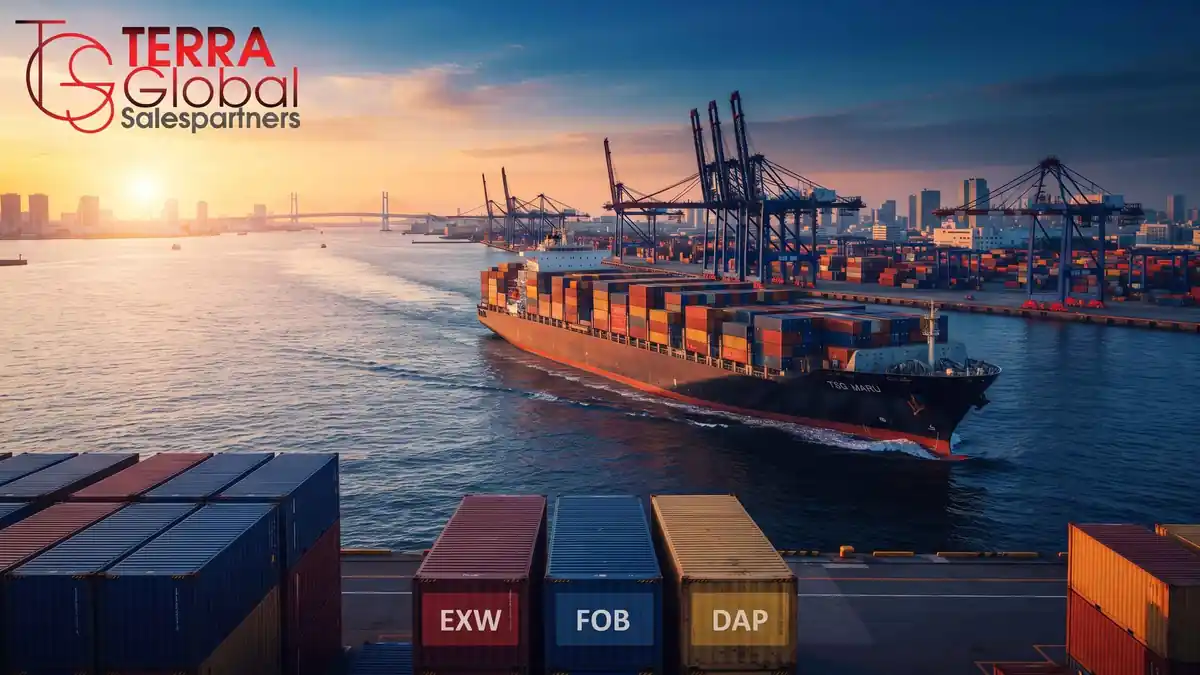
This guide compares EXW vs FOB against FOB vs CIF vs DAP so you can see exactly which option saves money on Japan sourcing. You will learn how EXW and FOB split costs, when DDP and EXW make sense, and how Terra Global Sales Partners manages freight, customs clearance and logistics so your 2026 imports land on budget. Incoterms 2026 look simple on paper, but the cheapest quote is rarely the cheapest shipment.
What Incoterms 2026 Mean for Japan Sourcing and EXW vs FOB Basics?
The International Chamber of Commerce maintains the trade rules published as Incoterms. Incoterms 2026 carry forward the Incoterms 2020 framework, and Incoterms define the standardised trade language for global trade and international trade. When both sides use the same term, cross-border trade runs with fewer disputes. See the Incoterms definition for the full list of terms.
Eleven terms exist, but Japan sourcing revolves around a handful. EXW leaves almost everything to you, FOB splits duties at the port, DDP pushes everything to the supplier, while CIF, DAP, FCA and CIP fill the gaps between them.
Related, Global Shipping from Japan, Air Freight vs Sea Freight · G-SHOCK Watch
EXW Explained, Ex Works Terms, Export Customs and When EXW Can Work
With Ex Works (EXW), the supplier must make the goods available at the factory gate. The seller handles just enough to make the goods available, then steps back. You handle export formalities, book every leg and carry the risk from the moment the goods leave the factory. EXW suits buyers with their own forwarder network, and EXW can work well when you consolidate from several factories.
For most first-time importers, though, Incoterms 2026 veterans warn that EXW shifts export clearance onto the buyer, who cannot legally complete Japanese export paperwork or export formalities without a local entity.
EXW doesn’t mean the supplier does nothing, it means you pay for everything after the factory floor. The exw price looks attractive because it strips out freight and logistics, but EXW looks cheap only until you price customs procedures at origin. Use EXW when you control the full chain, otherwise the risk if something goes wrong wipes out the savings.
Related, Exporter of Record (EOR) in Japan, What It Is and When You Need It · Fanta Melon Soda
FOB Explained, Free on Board Rules and Understanding FOB for Importers
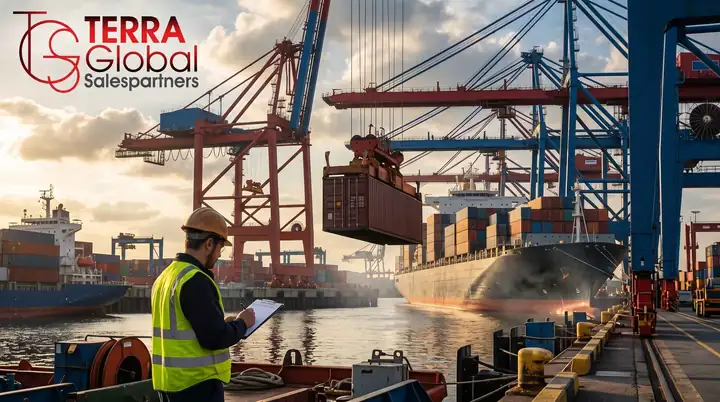
Free on Board (free on board) means the supplier delivers goods to the port and gets them loaded. Once the goods are loaded on the vessel, risk transfers from seller to buyer. The seller must handle the export declaration, so understanding FOB starts with export clearance done right. Most importers prefer it because the supplier manages origin logistics, and Incoterms 2026 keeps the rule unchanged from prior versions.
Your commercial invoice should name the port, since FOB Tokyo and FOB Osaka carry different origin costs. Cargo insurance stays your call under FOB, and smart buyers pair it with cargo insurance for the ocean leg.
Related, How to Choose a Freight Forwarder in Japan, 7 Things to Check First · Hinode Cooking Sake 400ml
EXW vs FOB vs DAP, Risk Transfer, Landed Cost and Customs Clearance Compared
The clearest way to compare EXW vs FOB with DAP is a cost split. Delivered at Place extends the seller’s duty all the way to your door, which changes the landed cost math completely.
| Cost element | EXW | FOB | DAP |
|---|---|---|---|
| Export clearance | Buyer pays | Seller pays | Seller pays |
| Origin trucking | Buyer pays | Seller pays | Seller pays |
| Ocean freight | Buyer pays | Buyer pays | Seller pays |
| Cargo insurance | Buyer pays | Buyer pays | Seller pays |
| Import clearance | Buyer pays | Buyer pays | Buyer pays |
| Import duties | Buyer pays | Buyer pays | Buyer pays |
| Risk transfer point | Factory gate | Goods loaded on vessel | Named destination |
Notice that customs clearance at destination always sits with you except under DDP. Export customs clearance, including export clearance fees at Japanese ports, moves between parties by term. Add import duties to every column and the cheapest EXW quote often loses. Incoterms 2026 reward buyers who model the full landed cost, not the unit price.
Related, Customs Clearance in Japan, Your Complete Importer Guide · Mizkan Honteri Mirin Seasoning 400ml
DDP, Delivered Duty Paid, CIF, CIP and Choosing the Right Incoterm
Delivered Duty Paid is the maximum seller obligation. The supplier pays duty and vat, handles import clearance and delivers to your door. CIF or DDP both bundle freight, but only DDP covers duties. Against DDP and EXW, the CIP term sits in the middle for multimodal moves. Many buyers love the simplicity, and Incoterms 2026 leave the rule untouched.
Choosing the right incoterm is a choice of incoterm driven by control, not habit. The right incoterm balances cost and risk, and the best incoterm for a trial order may differ from the one for container volumes.
Related, Importer of Record (IOR), What It Is and Why It Matters · Daisho Grilled Eel Sauce 240g
FCA, Delivered at Place, EXW vs DAP and the Difference Between EXW Options
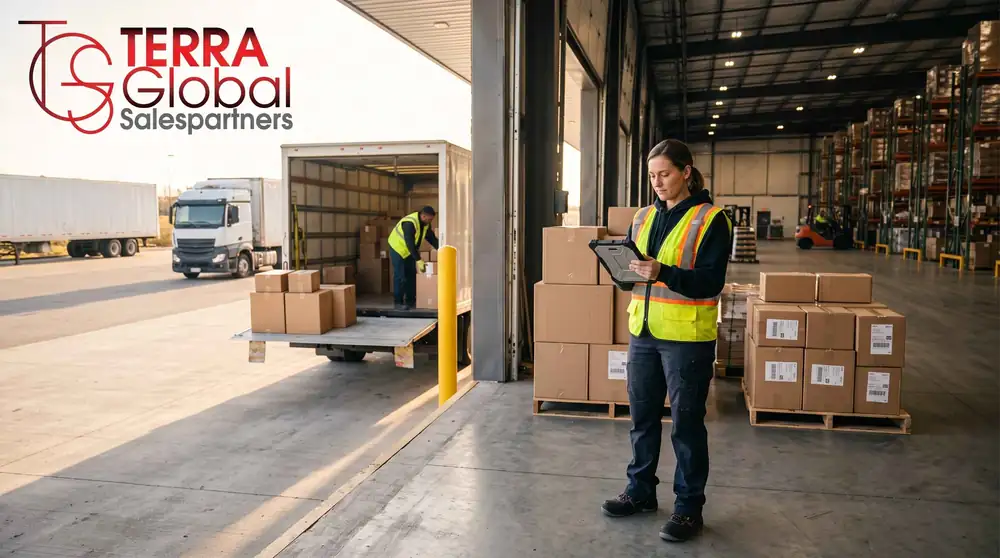
FCA hands risk to the buyer at the carrier, while Delivered at Place keeps it with the seller until destination. The difference between EXW and FCA is simply who clears export at origin. EXW vs DAP spans the full range of seller obligation, so Incoterms 2026 gives you fine-grained control.
Consolidators love FCA because cargo from a warehouse or the factory floor can merge before the main leg. For international shipment planning, Terra Global Sales Partners often recommends FCA over EXW when several suppliers feed one container.
Related, Japan 3PL Services, How Third-Party Logistics Works for Global Importers · Aohata Jam Tropical 170g
How to Choose FOB, the Best Incoterm for Your Shipment and Supply Chain?
To choose FOB with confidence, compare FOB vs EXW on total cost, not unit price. EXW and FOB differ most on origin handling, and your supply chain maturity decides the winner. A seasoned importer with a freight forwarder in Osaka may beat any FOB quote by running EXW, while newcomers save headaches with FOB. Incoterms 2026 do not rank terms, your shipment profile does.
Unlike a Chinese supplier network built for FOB, many Japanese factories quote EXW by default. A good supplier relationship plus Terra’s logistics team turns that into an advantage, since Terra can handle export steps your forwarder cannot.
Related, Japan vs China Manufacturing Meiji Hokkaido Butter 200g
FOB vs EXW, vs DDP and Export Customs Clearance Duties for the Buyer
FOB vs EXW is the classic debate, but vs DDP belongs in the comparison too. Under FOB, export customs sit with the seller, while export customs clearance is the buyer’s burden under EXW. The buyer who understands this split avoids surprise fees, and Incoterms 2026 make the division explicit.
Think in trade terms, not just prices. Shipping terms from the International Chamber of Commerce standardize global logistics, and clear logistics and export responsibilities prevent port disputes.
Related, Import Export Process from Japan, Documents, Costs, Timeline Explained · QBB 6P Cheese Aged Cheddar 102g
Incoterms 2026, Logistics, Import, Export and 2026 Cost Planning
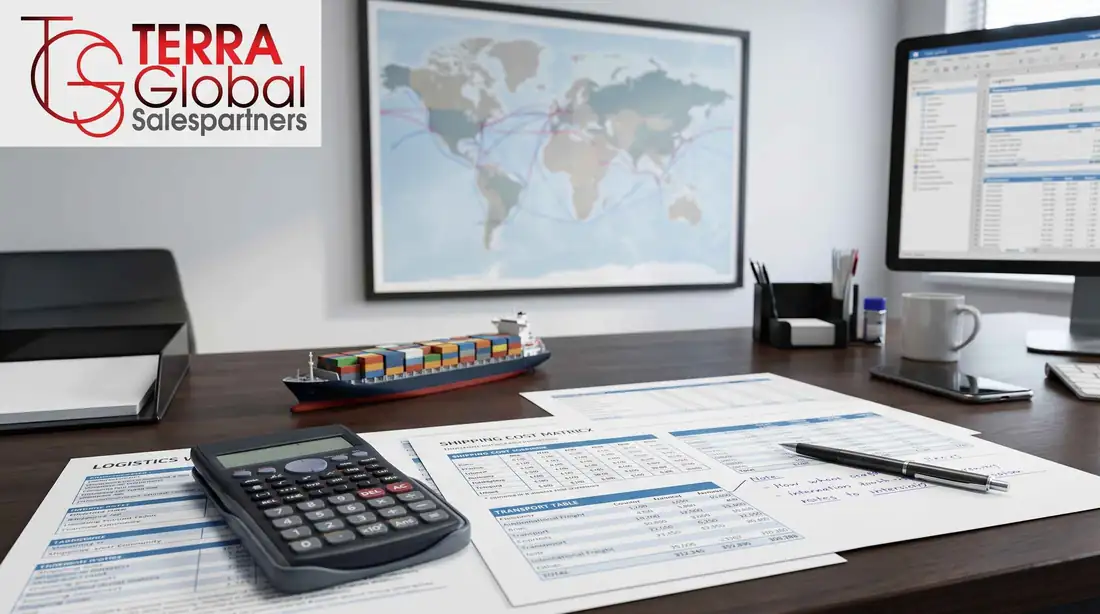
Compared with Incoterms 2020, Incoterms 2026 changed little for EXW, FOB and DAP, so your 2026 playbook can stay stable. Import demand keeps rising, and export capacity from Japan stays tight, which makes cargo insurance and early booking matter more than term tweaks.
Incoterms like FOB and CIF dominate sea freight, while DAP rules air courier flows. Map each shipment to the term before you request quotes.
Related, How to Reduce Import Costs When Buying from Japan · Koiwai Farm Cheese Onion 42g
EXW can work for veterans, FOB suits most buyers and DAP fits urgent restocks. Terra Global Sales Partners reviews your export license needs, trade terms and landed cost before you commit, because Incoterms 2026 punish guesswork at the port.
Related, How to Find a Reliable Japan Export Company for Your B2B Sourcing · Takara Hon Mirin 1L
Conclusion
EXW wins when you control origin logistics, FOB wins for most Japan sourcing and DAP wins when speed beats price. Choosing the right incoterm once, then reusing it across shipments, compounds the savings. Terra Global Sales Partners bakes the right income into every quote, manages freight, customs clearance and export paperwork, and keeps your supply chain moving.
Ready to choose the right Incoterm for your next shipment? See our logistics in Japan service or request a shipping quote from Terra Global Salespartners.
FAQs
What is the cheapest Incoterm for Japan sourcing?
EXW usually shows the lowest unit price, but FOB often lands cheaper once you add origin handling, export clearance and forwarder fees.
Can a foreign buyer handle export clearance under EXW?
Not directly. Japan requires a local entity for export clearance, so buyers use a forwarder, an exporter of record or switch to FOB.
When exactly does risk transfer under FOB?
Risk transfers from seller to buyer once the goods are loaded on board the vessel at the named port of shipment.
Is DDP worth the extra cost?
For small, urgent or test orders, yes. The supplier pays duty and VAT and handles import clearance, so you get one all-in price.
Do Incoterms cover payment terms?
No. Incoterms define delivery, risk and cost splits only. Payment terms, title transfer and dispute resolution need separate contract clauses.