

Terra Global Logistics Desk – Tokyo
Freight Forwarder Japan Logistics, Export and Import Coordination from Tokyo
A freight forwarder in Japan organises how your goods leave (or enter) the country: pickup, packing checks, export or import paperwork, carrier booking and handover. Terra Global Salespartners is a Tokyo-based trading and logistics company that helps overseas buyers source in Japan, consolidate cargo, prepare documents and move shipments by sea, air or courier. This guide covers what a logistics forwarder does, export and import flows, Japan 3PL basics, modes, Incoterms, documents and how to choose a partner — without fluff.
Match mode to volume, urgency and total landed cost — not freight alone.
Japan-side pickup, consolidation, documents and booking coordination.
Warehousing, pick/pack and multi-supplier consolidation when you need storage.
We talk to suppliers and carriers in Japanese; you get updates in English.
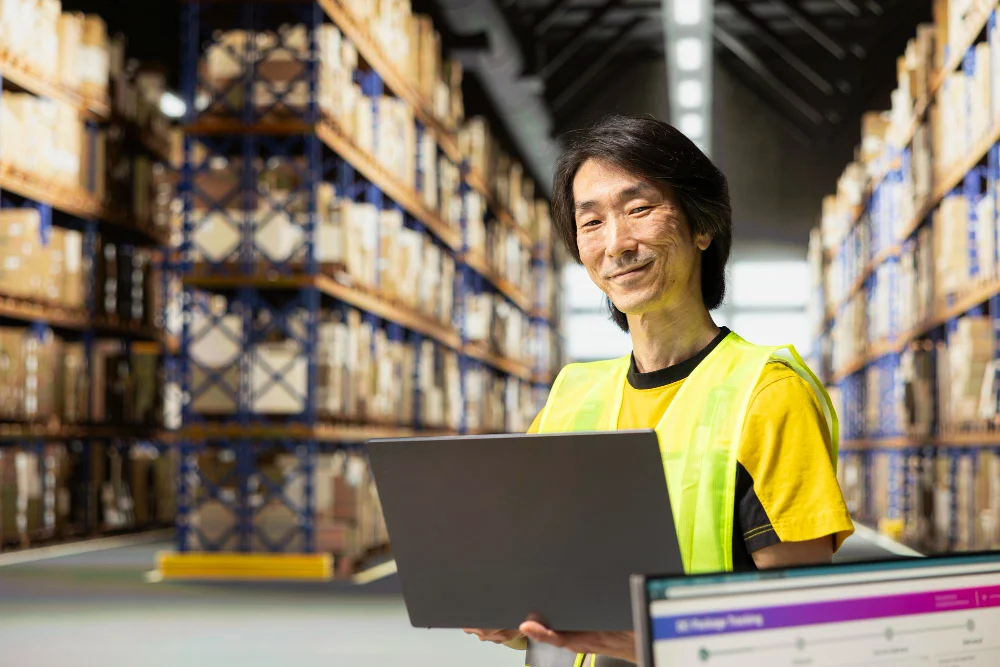
Key Takeaways
Freight Forwarder Japan in brief- Forwarder vs carrierA freight forwarder plans and books the move; the ocean line or airline usually operates the vessel or aircraft.
- Mode follows landed costSea FCL, LCL, air and courier each trade cost, speed and handling risk — compare the full import bill.
- Export and import differLeaving Japan needs export clearance; entering Japan needs import entry, duty and consumption tax rules.
- 3PL is storage + fulfilmentJapan 3PL covers warehousing, pick/pack and consolidation — see our warehousing page for depth.
- Documents start earlyInvoice, packing list and transport document must match the cargo before the seal goes on.
Roles Explained
What Does a Freight Forwarder in Japan Do?
If you are buying from Japanese factories and shipping abroad — or bringing goods into Japan — you need someone who can turn purchase orders into booked, documented cargo.
Short answer: A freight forwarder in Japan plans routing, books sea or air space, helps assemble export or import papers, and keeps suppliers, truckers and carriers aligned so cargo moves on the agreed Incoterms.
Buyers who need warehousing and multi-supplier pickup often look for Logistics Forwarder Japan coverage — the same desk plus storage and domestic trucking. An International Freight Forwarder Japan focus emphasises overseas lanes (for example USA or Europe) rather than domestic-only trucking.
Freight Forwarder Japan
Arranges the international move: mode advice, bookings, cut-offs, cargo insurance options and milestone updates from factory gate toward your destination.
Logistics Forwarder Japan
A wider desk that also coordinates domestic trucking, consolidation, packing checks and warehouse handovers — useful when you buy from several prefectures.
International Freight Forwarder Japan
Same core job with explicit focus on cross-border lanes (for example Japan–USA or Japan–Europe), destination handovers and bilingual status reporting.
Forwarder, carrier and shipping agent — quick distinctions
The carrier operates the ship or aircraft. The freight forwarder is usually your planner and booker. Port or vessel agency work (sometimes called a shipping agent) is a different specialty — for that lane overview see global shipping from Japan. Terra Global’s corporate profile lists import-export, customs brokerage and shipping agency among main business lines; on this page we focus on freight and logistics coordination for buyers.
Deep customs rules live on customs clearance Japan. Lane playbooks: Japan to USA shipping and Japan to Europe shipping.
Leaving Japan
Export Logistics Japan: From Factory Gate to Vessel or Flight
Export Logistics Japan work starts long before the vessel sails: collection, packing, paperwork and cut-offs decide whether cargo rolls or waits a week.
Short answer: Export Logistics Japan means collecting goods, making them export-ready, filing the Japan export declaration, and loading sea or air cargo toward your overseas buyer or warehouse.
- Supplier gate collection
Schedule trucks from factories or trading houses across Kanto, Kansai, Chubu and other regions into a CFS, warehouse or terminal.
- Packing and consolidation
Combine multiple POs into one LCL lot or FCL so you pay for one export move instead of many small ones.
- Export documents
Commercial invoice, packing list, permits if needed, and transport document (B/L or AWB) aligned with Japan export clearance.
- Export clearance coordination
Japan Customs export declaration is typically filed electronically (NACCS). Details: customs clearance in Japan.
- Carrier cut-offs
CFS, CY, VGM and airline cut-offs are hard deadlines — late cargo misses the sailing or flight.
Strategic goods, food, chemicals and batteries may need extra permits or dangerous-goods paperwork before booking. Confirm category rules early — this page is general information, not legal advice.
Entering Japan
Import Logistics Japan: Clearance, Tax and Last-Mile Handover
Import Logistics Japan is the inbound mirror of export: arrival notice, import entry, duty/tax and release to a warehouse or customer.
Short answer: Import Logistics Japan covers pre-arrival paperwork, Japan Customs import clearance, payment or securing of duty and consumption tax where due, then domestic delivery or storage.
Share invoice, packing list and transport details so the import entry can be prepared before the vessel or flight arrives.
Import declaration, classification, duty and consumption tax — usually handled with a customs broker; see customs clearance Japan.
Japan generally assesses customs duty (when applicable) plus consumption tax on a customs-value basis. Official overview: Japan Customs tariff outline.
Foreign sellers without a Japan entity may need a Customs Procedure Agent (ACP) arrangement — confirm with counsel and importer of record options.
After release: bonded or domestic warehouse, trucking to your buyer, or fulfilment prep.
Japan Customs publishes import procedures (declaration to Customs, documents, other-law permits). Use of a customs broker is common but not always mandatory under Japanese law — accuracy of the declaration remains critical. Source: Japan Customs — Import Procedures.
Storage and Fulfilment
Japan 3PL: Warehousing, Pick/Pack and Consolidation
Japan 3PL (third-party logistics) sits beside freight forwarding: storage and order handling so you are not forced to ship every carton the day it leaves the factory.
Short answer: A Japan 3PL partner stores goods, picks and packs orders, and can consolidate multi-supplier cargo before your freight forwarder books the international leg.
Store inventory near port or airport hubs while you wait for a sailing, consolidate POs, or stage retail releases.
Select SKUs, pack to order, and label for B2B or marketplace destinations.
Receive cartons from several factories, inspect counts, and stuff one container or air shipment.
Prepare pallets or cartons for carrier pickup — including marketplace-style labelling when your channel requires it.
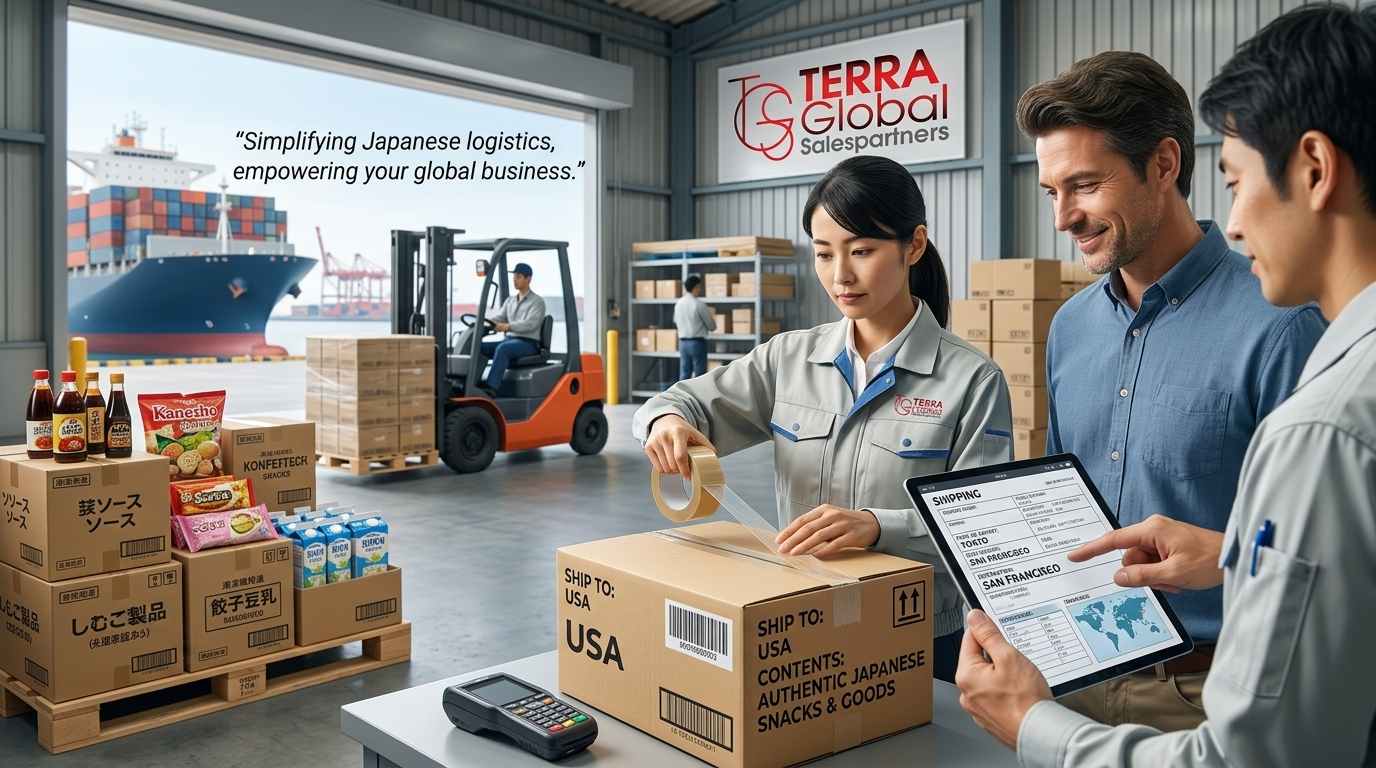
When 3PL matters more than a one-shot booking
Use warehousing when suppliers finish on different weeks, when you need QC photos before payment release, or when retail labelling must happen in Japan. Full facility detail lives on warehousing Japan — this page stays at the logistics overview level so we do not cannibalise that URL.
Bonded (hozei) storage rules are specialised; we discuss bonded options only after confirming your cargo type and whether a bonded facility applies. Do not assume every warehouse is bonded.
Choosing a Mode
Sea, Air or Courier? A Practical Comparison
Mode choice is a landed-cost decision. Freight Forwarder Japan desks should show you the trade-offs, not only the cheapest ocean rate.
Short answer: Use sea FCL when volume fills a container; LCL for shared ocean space; air when days protect margin; courier for samples and small parcels. See also air freight vs sea freight from Japan.
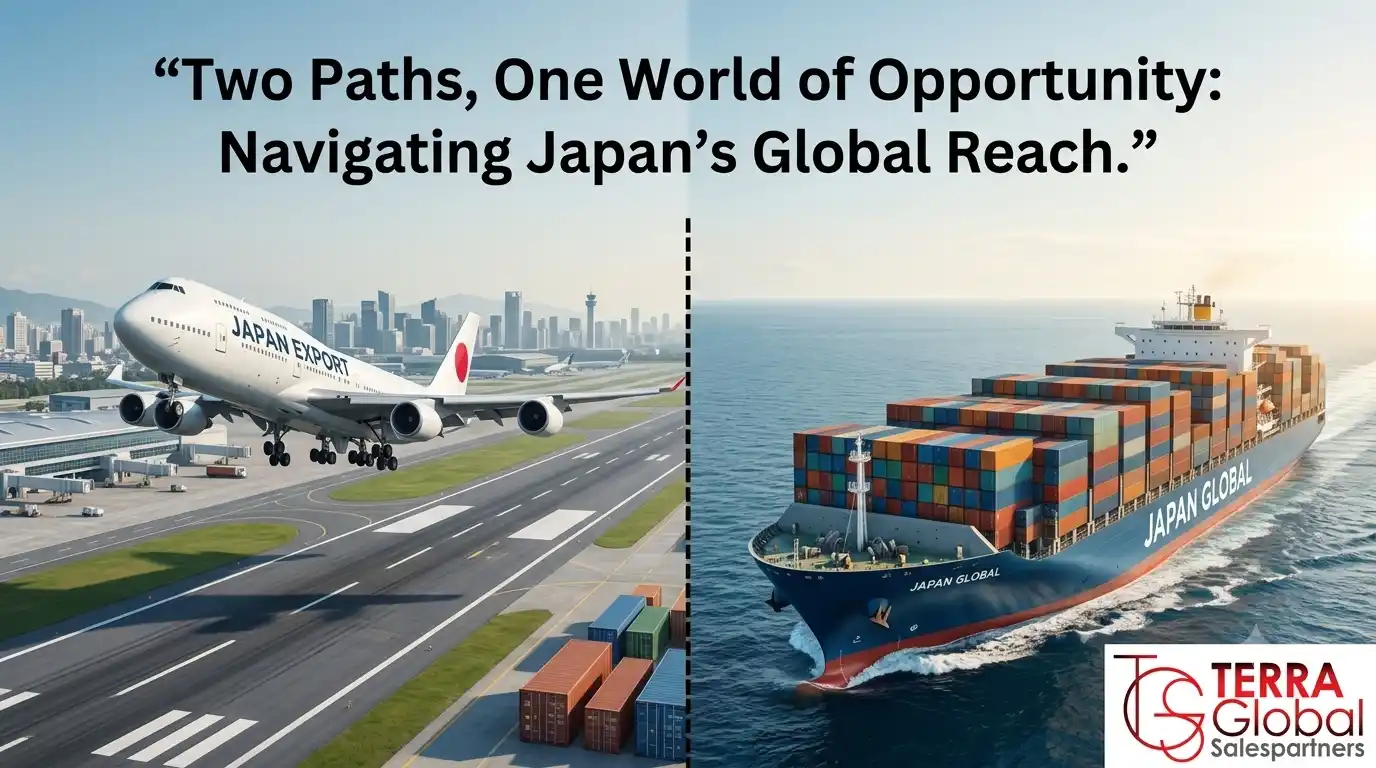
How an international freight forwarder Japan desk decides
Add product cost, freight, Japan export fees, destination terminal charges, duty, import VAT or consumption tax, inland delivery and the cost of time (inventory, launches, stock-outs).
Lane-specific transit ranges: Japan to USA and Japan to Europe. Always confirm the week’s schedule — treat published blogs as guides, not guarantees.
Terms and Paperwork
Incoterms Basics and Documents Checklist
Incoterms® allocate who books freight, who pays insurance, and who handles export or import clearance. Wrong terms create surprise invoices at destination.
Short answer: Agree the Incoterm in writing, then build the document set so invoice, packing list and booking describe the same cargo. Incoterms are published by the International Chamber of Commerce (ICC); confirm the year edition on your contract.
Incoterms frequently used on Japan lanes
Documents checklist for most commercial shipments
- Commercial invoiceSeller, buyer, description, quantities, prices, currency, Incoterms, origin.
- Packing listMarks, piece count, net/gross weight, dimensions — must match the invoice and cartons.
- B/L or AWBSea bill of lading / sea waybill or air waybill after departure.
- Export or import declarationJapan-side filing via the customs process — customs clearance Japan.
- Licences / certificatesOnly when the product needs them (food, plants, batteries, radio, etc.).
- Insurance certificateIf CIF or if you buy a separate cargo policy.
Incoterms® is a trademark of the ICC. This summary is educational, not a substitute for the official ICC rules or legal advice.
From PO to POD
Freight Forwarder Japan Process: Step by Step
A repeatable sequence beats last-minute chat threads. Adapt the steps to your Incoterms and whether Terra Global handles only Japan-side work.
In short: brief → choose mode → consolidate and document in Japan → book and clear export → transit → destination clearance and delivery.
Brief the desk
Commodity, rough HS, pieces/CBM, origin cities, destination, Incoterms, target week.
Confirm mode and compliance
Sea FCL/LCL, air or courier; flag restricted or dangerous goods early.
Collect, inspect, consolidate
Pickup from suppliers; optional QC photos; stuff or pack — warehousing / proxy agent Japan.
Lock documents
Invoice, packing list, licences, insurance instructions.
Book and export-clear
Carrier booking + Japan export declaration coordination — customs clearance.
Sail or fly; track milestones
Share B/L or AWB data; watch cut-offs and roll risk.
Destination handover
Import broker abroad (or Japan import if inbound); duty/tax; delivery or 3PL receipt.
Choosing a Partner
How to Choose a Freight Forwarder in Japan — and What Terra Global Does
Use a checklist, then match it to a Tokyo desk that can actually reach your factories.
Short answer: Pick a freight forwarder Japan partner for Japan-side execution, clear mode advice, document quality and honest customs arrangements — not for splashy percentage claims.
Our blog expands the checklist: how to choose a freight forwarder in Japan.
Six questions before you award a booking
Ask these on the first callCan they arrange pickup outside Tokyo and talk to suppliers in Japanese?
Do they explain FCL vs LCL vs air with landed cost — or only push one product?
Will they catch invoice/packing mismatches before cut-off?
Who files Japan declarations — their broker, a partner, or you? Ask plainly.
Ask for recent examples on your corridor (USA, Europe, Asia, Oceania) without demanding confidential client names.
Who updates you when cargo rolls, and in which language?
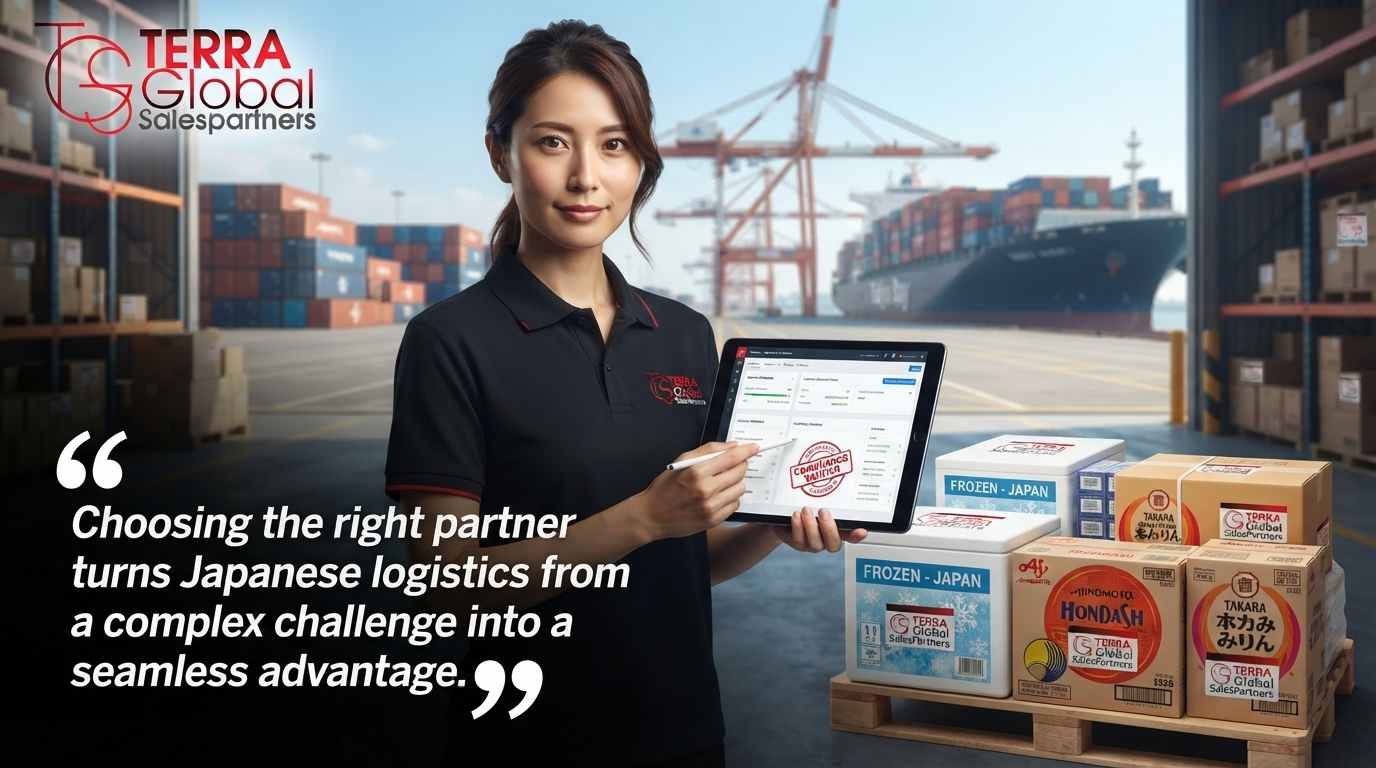
What Terra Global does on logistics Japan work
Terra Global Salespartners LLC is based in Ginza, Tokyo (established 10 October 2022). Corporate information lists import-export, customs brokerage and shipping agency among its main lines. We help overseas buyers source, consolidate, document and book freight from Japan — with bilingual updates.
Proxy agent Japan for supplier search and domestic payments.
Warehousing Japan for storage, pick/pack and multi-PO staging.
Commercial set preparation and Japan clearance coordination via customs clearance Japan.
Sea and air bookings with cut-off management; courier when parcels fit better.
Used cars from Japan when the freight is vehicles rather than general cargo.
We do not publish unverified licence titles, square-metre hub sizes, on-time percentages or supplier counts on this rebuild. Ask us directly for the capabilities that matter to your cargo.
Avoid Delays
Common Mistakes When Using a Freight Forwarder in Japan
Most delays are paperwork or planning errors — not storms.
Pattern to watch: late documents and unclear Incoterms cause more holds than missing sailings. Put a document cut-off in your production plan.
ETD fantasies miss when factories slip. Lock space when cartons exist or production is firm.
“General merchandise” causes customs and security friction. Write commercial descriptions early.
Mismatched weights and piece counts trigger examinations. Recount before sealing.
FOB buyers who expect DDP service get surprise destination bills.
Food, batteries and regulated goods need lead time.
Wrong mode or port can erase savings. Compare landed cost.
EXW without a local desk means you own every domestic failure.
Destination entry systems differ — use the lane pages for USA and Europe.
Clarity and Answers
Frequently Asked Questions About Freight Forwarder Japan Services
Straight answers on freight forwarding, export and import logistics, and Japan 3PL. For customs depth use the customs page; for lanes use USA / Europe guides.
What does a freight forwarder in Japan actually do?
They plan the move, book sea or air (or advise courier), help assemble documents, coordinate pickup and cut-offs, and keep you updated. The carrier still operates the ship or plane.
What is the difference between a logistics forwarder Japan desk and a freight forwarder?
In practice the labels overlap. “Logistics forwarder” often signals warehousing, consolidation and domestic trucking as well as the international booking. Ask what is included in writing.
When do I need an international freight forwarder Japan partner?
When cargo crosses borders and you need bilingual Japan-side execution plus destination handover data — especially multi-supplier consolidation into USA, Europe or other lanes.
What is export logistics Japan in one sentence?
Collecting goods in Japan, making them export-ready, clearing export, and loading them onto the international leg toward your overseas buyer.
What is import logistics Japan in one sentence?
Bringing goods into Japan through import clearance, duty and consumption tax where due, then releasing them to a warehouse or customer.
What does Japan 3PL include?
Typically warehousing, pick/pack, inventory staging and consolidation. We keep Japan 3PL at overview level here and link to warehousing Japan for facility depth so the pages do not compete.
Sea vs air vs courier — which should I choose?
Sea FCL for volume, LCL for shared containers, air when time protects margin, courier for samples and small parcels. Compare landed cost, not freight alone.
Which Incoterms are common for Japan exports?
EXW, FCA/FOB, CFR/CIF and DAP/DDP appear often. DDP only works if someone can clear and pay taxes at destination. Confirm the ICC edition on your contract.
Do you handle customs clearance as well as freight?
We coordinate Japan-side logistics and paperwork and work with the clearance process described on customs clearance Japan. Ask us who files the declaration for your shipment — we do not print unverified licence titles on this page.
How do I start a quote with Terra Global?
Send commodity, pieces/CBM, origin cities, destination, Incoterms and preferred mode via contact or request a quote. Clear briefs get faster answers.
General information only — not legal, customs or tax advice. Official references include Japan Customs import procedures, export procedures and tariff outline. Incoterms® rules are published by the ICC.
Logistics Inquiry
Get a Freight Forwarder Japan Quote
Tell us what you are moving, where it must go, and when you need it. We will suggest sea, air or courier, list documents to prepare, and outline Japan-side logistics steps.
Ginza Ohtake Residence 2F, 1-22-11 Ginza, Chuo-ku, Tokyo 104-0061, Japan
What to Include in Your Request
Send these via our contact page — clearer briefs get faster, more accurate quotes.
- 01Commodity, rough HS code and destination country
- 02Pieces, weight and CBM (or dimensions)
- 03Supplier cities in Japan if known
- 04Preferred mode and Incoterms
- 05Company name and business email