

Terra Global Warehousing Desk – Tokyo
Warehousing Japan Storage, Fulfillment and Amazon FBA Logistics from Tokyo
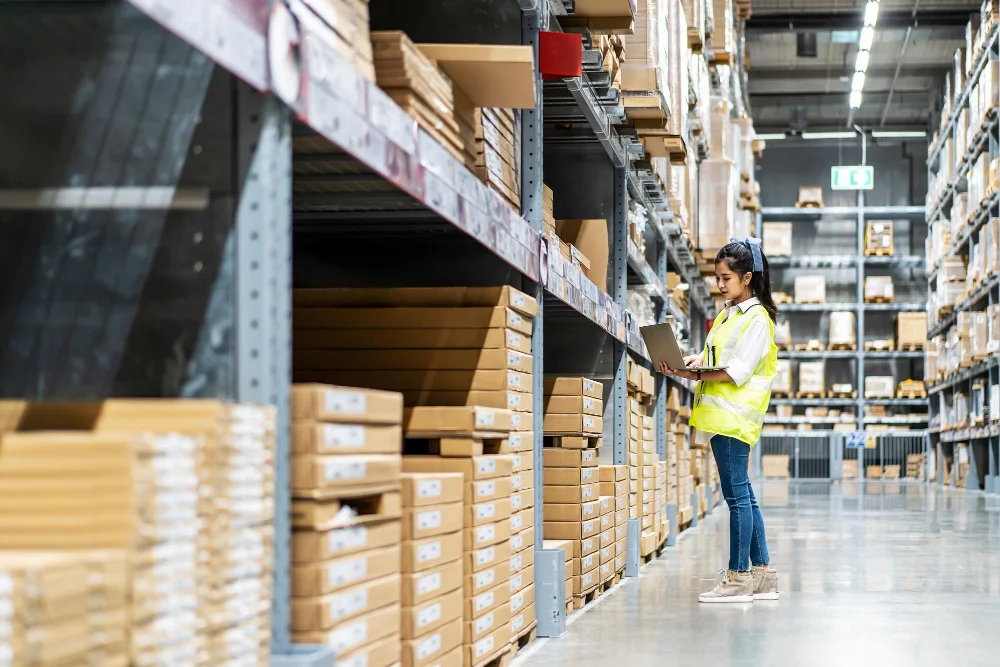
Warehousing in Japan means receiving your goods, storing them safely, keeping accurate stock records, and shipping orders to customers, wholesale buyers or Amazon fulfillment centers. Terra Global Salespartners, a Tokyo trading and logistics company, helps overseas sellers plan that flow. This guide covers storage types, bonded warehouses, fulfillment, Amazon.co.jp inbound rules, costs and choosing a partner.
Count, inspect and put away cartons or pallets so stock is ready to sell.
B2B cartons, B2C parcels and returns for Japanese marketplaces or your own store.
Labels, carton checks and pallet builds planned around Amazon.co.jp rules.
We deal with Japanese suppliers and facilities; you get updates in English.
Key Takeaways
Warehousing in Japan in brief- Storage is only one partReceiving, stock control, pick/pack, dispatch and returns matter as much.
- Bonded is a licenceBonded storage holds foreign goods before import under Japan Customs rules. Not every warehouse is bonded.
- Fulfillment follows the channelB2B cartons, B2C parcels and Amazon inbound shipments each need different packing and labels.
- Amazon is not your importerAmazon.co.jp says it cannot act as importer of record. Overseas sellers must name an importer.
- Data before freightBarcodes, carton sizes and SKU data should be ready before cargo ships.
The Basics
What Does Warehousing in Japan Involve?
If you sell to Japanese customers or hold stock before export, the warehouse is where cargo becomes sellable inventory.
Short answer: Warehousing in Japan covers receiving goods, storing them in the right conditions, keeping accurate stock records, and picking, packing and dispatching orders. A good partner also handles returns.
Unloading, counting cartons against the packing list, photographing damage and logging lot or expiry details.
Moving stock to pallet racks, shelves or bins, chosen by size, turnover and handling needs.
Location tracking, cycle counts and stock reports, so channels never sell what is not on the shelf.
Picking the right SKU and quantity, packing to channel rules and printing carrier labels.
Handing parcels to domestic carriers, or delivering to Amazon by appointment.
Receiving and grading returns, then restocking or disposing of items on your instructions.
Who usually needs a warehouse in Japan?
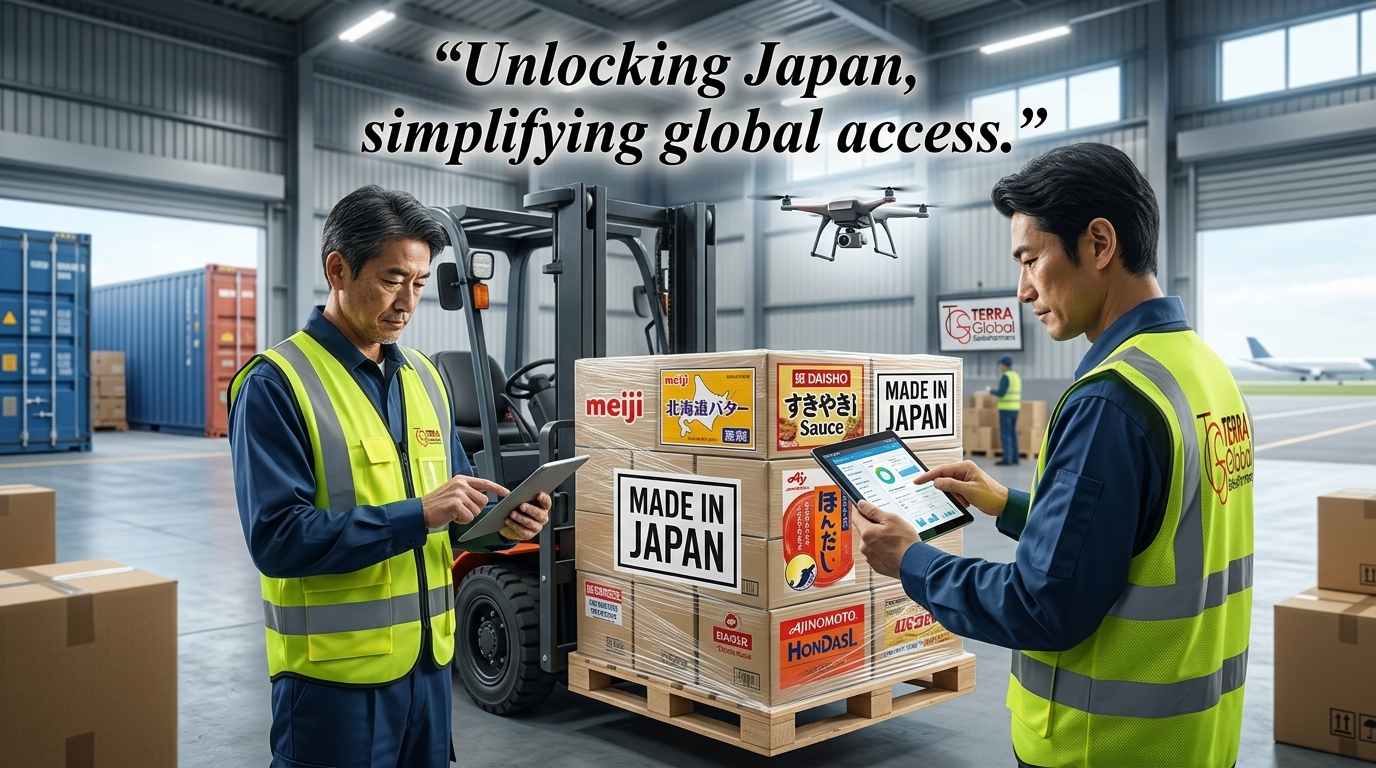
Overseas brands selling on Amazon.co.jp, Rakuten Ichiba or their own store; wholesalers supplying Japanese retailers; and buyers consolidating purchases before export.
If your goods are only passing through on the way abroad, read our logistics and freight overview first. Sourcing help sits on proxy agent Japan.
Storage Types
Bonded vs Non-Bonded Warehousing: What Is the Difference?
Start with what your goods need, and whether they are stored before or after import clearance.
Short answer: A bonded warehouse is a Customs-licensed facility where foreign goods can be stored before import duties and taxes are settled. A non-bonded warehouse holds goods that are already cleared for import, or domestic goods. Most e-commerce stock is stored non-bonded.
Dry, room-temperature space for most consumer goods and parts.
Chilled, frozen or climate-managed space for food, cosmetics or sensitive items. Ask how temperatures are recorded.
Batteries, aerosols, flammables and chemicals need permitted facilities. Many sites refuse them.
Some sites suit fast-moving stock; others suit slow-moving or seasonal inventory.
When does bonded storage make sense?
Bonded storage can help when goods may be re-exported or when you need time before importing. Duties and consumption tax generally become payable when goods are imported for domestic use. Bonded operations add Customs records and fees, so they are not automatically cheaper.
Ask for proof that a specific facility is bonded. Clearance is covered on customs clearance in Japan.
Source: Japan Customs: Outline of the Customs Bonded System. General information, not legal or customs advice.
Order Fulfillment
Fulfillment Services Japan: B2B, B2C, E-commerce and Returns
Fulfillment turns stored stock into delivered orders. The setup depends on who buys and where orders come from.
Short answer: Fulfillment services in Japan pick, pack and ship your orders from stock held in a Japanese warehouse, for consumers (B2C), businesses (B2B) or marketplaces, and handle returns.
Single parcels to consumers, packed and presented the way Japanese shoppers expect.
Cartons or pallets to retailers and distributors, often with buyer labels and delivery windows.
Amazon.co.jp (seller-fulfilled), Rakuten Ichiba, Yahoo! Shopping or your own store.
Kitting, bundling, inserts, relabelling and inspection, quoted per task.
Checking and grading returns, then restocking or disposing as you instruct.
Handover to domestic carriers such as Yamato Transport, Sagawa Express or Japan Post.

B2B vs B2C: what changes on the warehouse floor
B2C means many small orders and careful presentation. B2B means fewer, larger shipments with retailer labels and delivery booking. Running both from one stock pool is common; agree priorities in writing.
Japanese buyers expect undamaged packaging, so agree return grading rules before launch. Background: how third-party logistics works in Japan.
Amazon.co.jp
Amazon FBA Logistics Japan: Prep, Labels and Inbound Rules
Amazon Japan can refuse shipments that miss its labelling, packing or delivery rules.
Short answer: Amazon FBA logistics in Japan means importing goods, labelling and packing them to Amazon.co.jp rules, and booking delivery to the fulfillment center Amazon assigns. Overseas sellers must also arrange an importer.
Importing for FBA as a non-resident seller
Amazon Japan says it cannot be used as importer of record. The importer must be named on the air waybill or invoice before goods ship, and services such as EMS that cannot name a third-party importer are not accepted.
Overseas sellers may need an Attorney for Customs Procedures (ACP), and Amazon notes some regulated products need a Japan-resident importer. See our importer of record page and how to choose an IOR partner.
Why many sellers stage stock in a Japanese warehouse first
Amazon’s truck delivery page says container delivery into Japan is not available, so sea freight usually goes to a warehouse to be unloaded, labelled and rebuilt into compliant cartons or pallets. Buffer stock outside Amazon also helps during storage limits or peak delays.
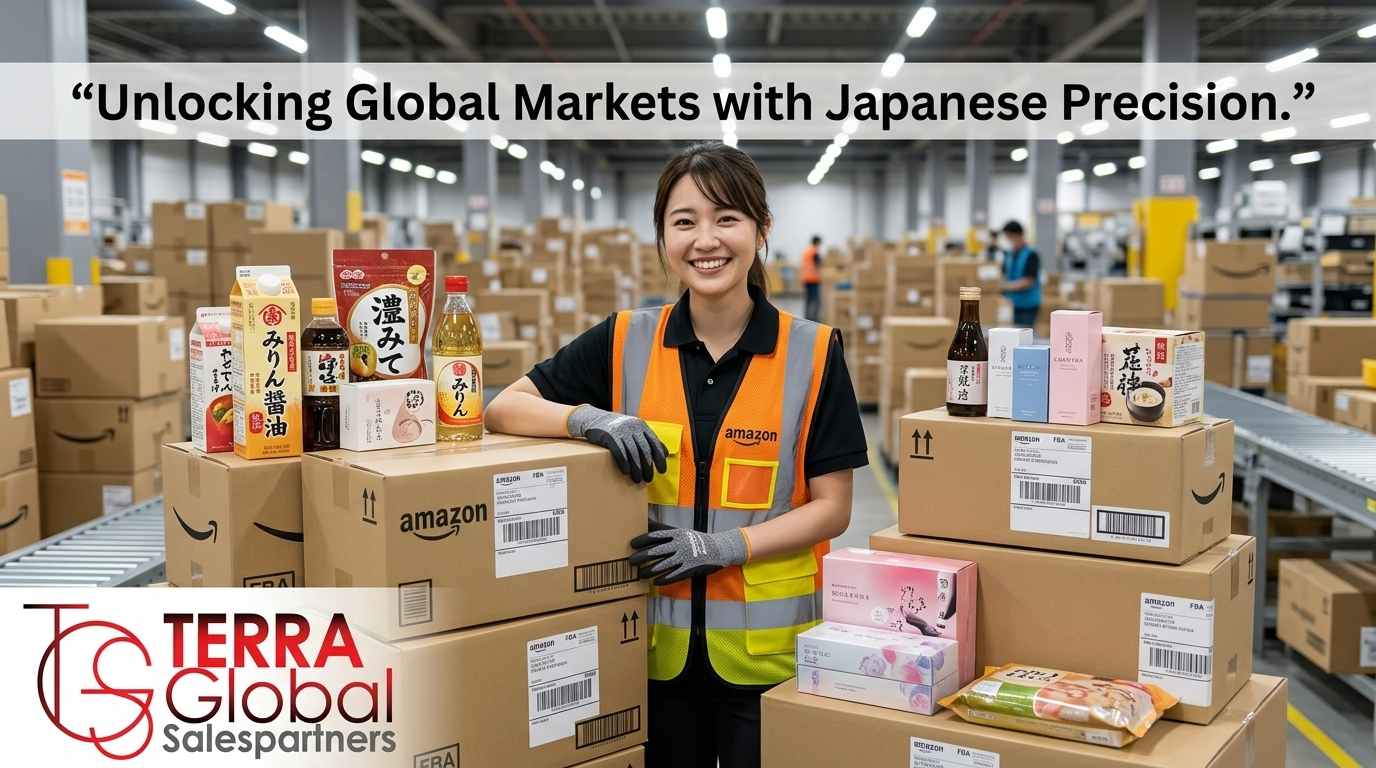
Amazon updates these rules often; check Seller Central before each shipment. Sourcing tips: our Amazon FBA with Japanese products guide.
Compare Options
Own Warehouse vs Fulfillment Partner vs Amazon FBA Direct
Many sellers combine a fulfillment partner for buffer stock and B2B orders with FBA for Amazon sales.
Short answer: Run your own warehouse only at high, stable volume. Use a fulfillment partner (3PL) for multi-channel flexibility, and FBA direct when Amazon is your main channel.
For the freight side of a 3PL setup, see logistics Japan.
Step by Step
How Does Warehousing and Fulfillment in Japan Work?
A written sequence keeps everyone aligned.
In short: brief, importer check, freight and clearance, receiving, storage, orders or FBA prep, then returns.
Brief and SKU profile
Products, sizes, weights, barcodes, volumes, channels and special handling.
Importer and compliance check
Confirm the importer or ACP, permits and Japanese labelling duties.
Freight and clearance
Book sea, air or courier transport and clear import. See logistics and customs clearance.
Receiving and inspection
Count against the packing list, photograph damage, log lots and put stock away.
Storage and stock control
Track stock by location, share reports and run cycle counts.
Orders, prep and dispatch
Pick and pack B2C or B2B orders, or prepare FBA cartons and book delivery.
Returns and replenishment
Process returns and plan the next inbound before stock runs low.
Be Ready
What Documents and Information Do You Need?
Most receiving delays come from missing data. Prepare import documents and warehouse onboarding data.
Short answer: For import you need an invoice, packing list, transport document and a named importer, plus permits if your product needs them. The warehouse needs SKU, carton, handling and channel data.
Shipping and import
Before cargo leaves originMust match the cartons: counts, weights, descriptions.
For FBA imports, the importer must be named on the waybill or invoice.
Importer of record or ACP arrangement before goods leave origin.
If your category needs them, e.g. food, cosmetics or electrical goods.
For batteries, aerosols, liquids or chemicals.
Warehouse onboarding
Before the first receiptSKU, name, barcode (JAN/EAN/UPC) or FNSKU, size and weight.
Units per carton, carton size and gross weight, and pallet pattern if known.
Temperature, stacking limits, fragile items, expiry or lot tracking.
Marketplace labels, B2B buyer rules and packaging standards.
Grading rules for damaged or opened units.

Budgeting
What Affects Warehousing and Fulfillment Costs in Japan?
We do not publish standard rates; quotes depend on your products, volumes and service levels.
Short answer: Costs depend on inbound handling, storage space and time, order volume and profile, packaging, value-added tasks, outbound shipping and returns. For FBA, add Amazon’s own fees.
Floor-loaded containers usually cost more to unload than pallets. Inspection depth matters too.
Usually priced per pallet, shelf or bin per period. Slow-moving stock costs more over time.
Orders, lines and units per order drive pick/pack charges.
Cartons, cushioning and branded packaging are often billed separately.
Labelling, kitting and inspection, priced per unit or hour.
Depends on parcel size, weight and region.
Usually a separate line in quotes.
FBA fulfillment, storage and optional service fees.
Example: Amazon lists its label service at 22 yen per small/standard item and 51 yen per large item, tax included (Seller Central Japan, checked 5 Oct 2026). Compare total cost, not storage rates alone. See how to reduce import costs.
Choosing a Partner
How Do You Choose a Warehouse Partner in Japan?
Ask questions that make a provider show how it really operates.
Short answer: Choose a warehouse partner in Japan that can prove its facility facts, explain who acts as importer, show its stock reporting, and put pricing and service levels in a written contract.
Eight questions before you sign
Ask these on the first callLocation, operator, storage types and proof of any bonded status.
A warehouse is not automatically your importer. Confirm IOR or ACP arrangements.
What is counted and how discrepancies are reported.
How you see stock levels and how often counts are reconciled.
Recent work with Amazon.co.jp inbound prep, Rakuten Ichiba or B2B retail labels.
Every fee listed, including minimums.
Cut-offs, accuracy commitments, liability and insurance.
A named contact who answers in English and escalates problems quickly.
Red flags
Avoid Delays
Common Warehousing and FBA Mistakes to Avoid in Japan
Most problems are planning errors that surface at the receiving dock.
Pattern to watch: sellers often book freight before data, importer and labels are confirmed. Lock those three first.
Missing barcodes or carton data delays receiving and sales.
Bonded storage requires a Customs licence for that facility. Ask for proof.
Amazon cannot be importer of record, and services that cannot name an importer are not accepted.
Oversized cartons or missing overweight labels can lead to refusal.
Double-sided, damaged or cardboard pallets, or pallets over 1.6 m, are not accepted for Amazon Japan.
Imported products must meet Japanese labelling rules for their category.
Handling, materials and returns fees often outweigh the storage line.
Amazon warns receiving takes longer during sales periods.
Our Role
What Terra Global Does for Warehousing and Fulfillment in Japan
We connect sourcing, freight, import and warehousing.
Short answer: Terra Global Salespartners LLC is a Tokyo trading company (Ginza, established 10 October 2022). We help overseas sellers plan and coordinate warehousing, fulfillment and Amazon inbound prep in Japan, alongside sourcing, freight and import support. Our profile lists import-export, customs brokerage and shipping agency among our main business lines.
A storage and fulfillment setup in Japan matched to your products, volumes and channels.
Label, carton and pallet checks against current Amazon.co.jp rules.
Proxy agent Japan support for buying from Japanese suppliers.
Logistics Japan for transport, and customs clearance Japan for clearance.
Importer of record guidance for non-resident sellers.
We do not publish facility sizes, licence titles, accuracy rates or dispatch guarantees here. For your project we confirm in writing which facility handles your goods and who operates it. About us: corporate information.
Clarity and Answers
Frequently Asked Questions About Warehousing and Fulfillment in Japan
Straight answers on storage, bonded warehouses, fulfillment and Amazon FBA in Japan.
What is warehousing in Japan, and who needs it?
It means storing goods in a Japanese facility with receiving, stock control, dispatch and returns. It suits overseas brands selling in Japan, wholesalers and buyers consolidating purchases before export.
Can a foreign company use warehousing in Japan without a Japanese entity?
A warehouse can store goods for a foreign owner, but import still needs an importer. Non-residents often import in their own name with an ACP, or use an importer of record arrangement. See importer of record.
What is the difference between bonded and non-bonded warehouses in Japan?
Bonded warehouses are licensed by Japan Customs to hold foreign goods before duties and taxes are settled, generally for two years (extendable). Non-bonded warehouses hold goods already cleared or bought in Japan.
What do fulfillment services in Japan include?
Usually pick, pack and ship for B2C and B2B orders, marketplace labelling, kitting and returns. Get included tasks in writing.
How does Amazon FBA logistics in Japan work for overseas sellers?
You import with a named importer, label and pack to Amazon.co.jp rules, and book delivery. Many sellers stage stock in a Japanese warehouse first.
Can Amazon act as importer of record for FBA shipments into Japan?
No. Amazon Japan says it cannot be used as importer of record. Name the importer on the air waybill or invoice before goods ship.
Do I need FNSKU labels for Amazon.co.jp?
From 31 March 2026, Amazon Japan requires resellers to use Amazon product labels even with a manufacturer barcode. Brand owners can keep eligible manufacturer barcodes.
Can I ship a container straight to an Amazon fulfillment center in Japan?
Amazon says container delivery into Japan is not available. Containers are usually unloaded at a warehouse, then rebuilt into compliant cartons or pallets.
How much does warehousing in Japan cost?
It depends on handling, storage, order volume, packaging, extras, shipping and returns. We quote from your SKU and volume data.
Does Terra Global offer bonded storage?
We make no bonded-facility claims here. If you need bonded storage, ask us; we will say whether a bonded option suits your cargo and confirm the facility and operator in writing.
General information only, not legal, customs or tax advice. Official references: Japan Customs bonded system, Amazon Japan shipping and routing requirements and Japan Customs ACP leaflet.
Warehousing Inquiry
Request a Warehousing Japan Quote
Tell us what you sell, how much stock you hold and where orders come from. We will suggest a setup, list what to prepare and outline the import steps.
Ginza Ohtake Residence 2F, 1-22-11 Ginza, Chuo-ku, Tokyo 104-0061, Japan
What to Include in Your Request
Send these through our contact page for a faster quote.
- 01Products, SKU count, sizes and weights
- 02Monthly inbound volume (cartons, pallets or containers)
- 03Monthly orders and sales channels
- 04Storage and handling needs, and value-added tasks
- 05Company name and business email