
When you source from multiple suppliers across Japan, each factory ships a small batch of cargo and none can fill a full container on its own. LCL consolidation combines those batches into one shared box at the port, so you pay only for the volume your cargo occupies instead of paying for empty air.
For growing importers, LCL consolidation is the most cost-effective way to keep freight costs down while ordering flexibly. This guide explains how LCL shipping works from Japan, what it costs, how long it takes, and how Terra Global Sales Partners runs the whole end-to-end process for you.
What LCL Shipping Means and How Consolidation Works for Less Than Container Load Cargo
Less than container load is exactly what it sounds like. Your cargo does not fill an entire container, so your freight forwarder groups it with container space with other shipments heading to the same destination. The trade shortens less than container to LCL, and the grouping process is called consolidation.
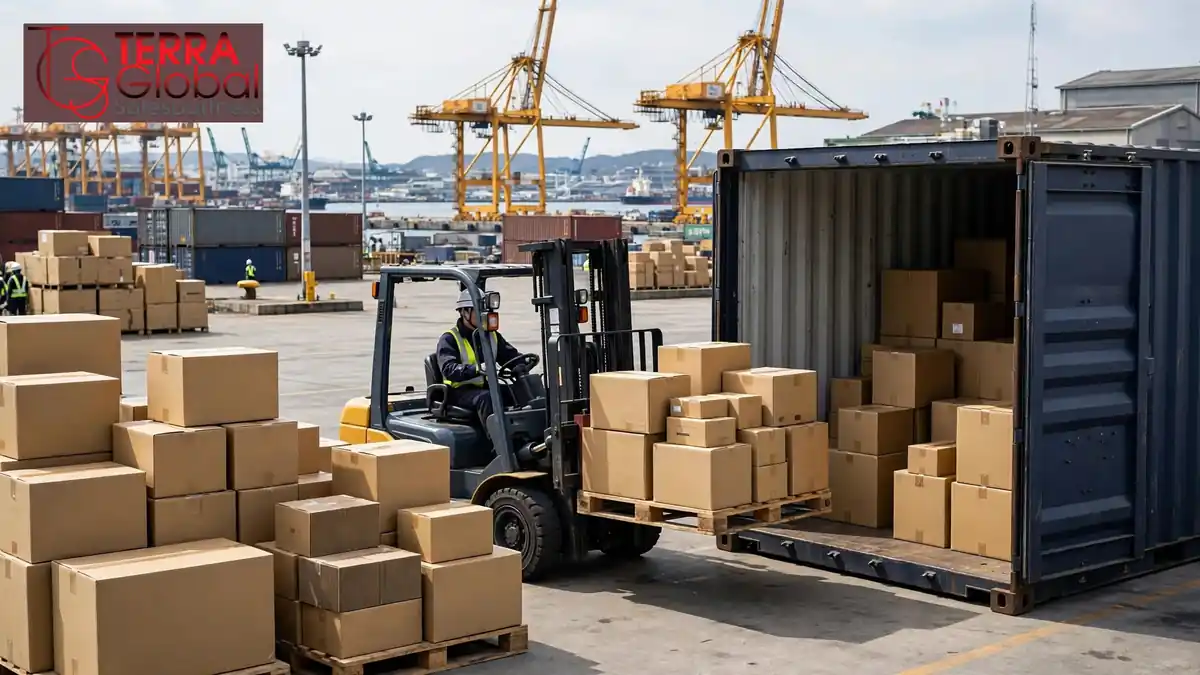
At a container freight station (CFS) near the port, workers receive goods from multiple shippers, and pallets are loaded and unloaded with care at every handoff. Learn the less-than-container load basics once and the rest of this guide clicks into place. A freight forwarder books the container space, files one master bill of lading, and issues a house bill for each shipper.
Rates are calculated based on the greater of actual weight or volumetric weight, usually priced per cubic meter. Because you share container space, your per-unit shipping cost stays low even for small lots, making it cost-effective for test orders and restocks alike.
Related, how to choose a freight forwarder in Japan · G-SHOCK watches
FCL and LCL Compared, When Shared Container Space Beats an Entire Container
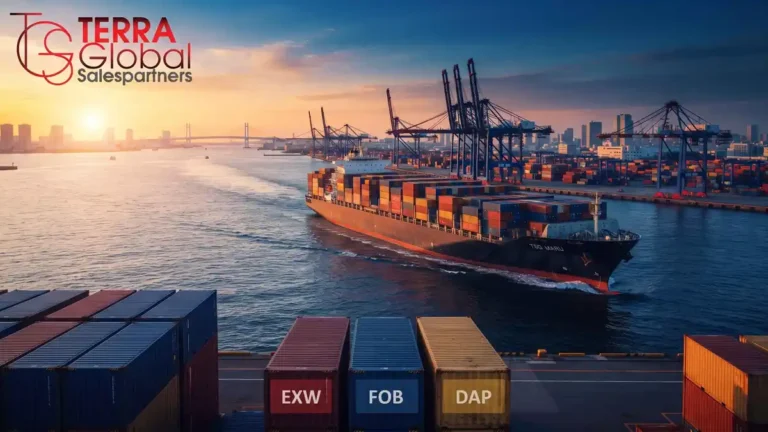
The FCL and LCL choice comes down to volume, and the FCL or LCL decision gets easier with one rule. If your goods fill an entire container, book the whole box. Full FCL containers suit high-volume importers with steady demand. If not, sharing wins, and LCL and FCL pricing flips at around 15 cubic meters.
Below that shared space is cheaper, above it the entire container usually wins. LCL consolidation keeps cash free because you ship without waiting to fill a box, while waiting to fill a full container can stall inventory for weeks. For rush orders, air freight or air cargo beats both, at a much higher price per kilogram.
| Factor | LCL | FCL | Air freight |
|---|---|---|---|
| Best for | 1 to 15 cubic meters | Over 15 cubic meters | Urgent small parcels |
| Cost basis | Per cubic meter | Flat per container | Per kilogram |
| Transit from Yokohama | 3 to 5 weeks | 2 to 4 weeks | 3 to 7 days |
| Flexibility | Ship anytime | Ship when full | Ship anytime |
Terra helps importers optimize their shipping mix, and LCL consolidation often anchors the plan alongside consolidation shipping, full containers and air options. The right shipping methods depend on your volumes, deadlines and margins, and Terra’s team models each choice before you commit.
Related, air freight vs sea freight from Japan · Fanta Melon Soda
How Freight Forwarders in Yokohama Consolidate LCL Shipments at the Port?
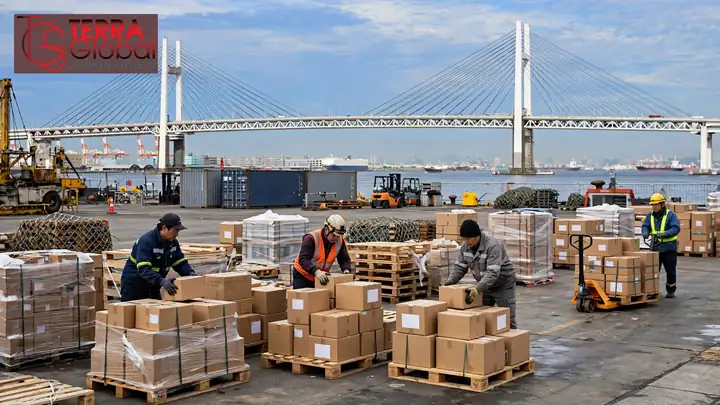
Yokohama is Japan’s busiest gateway for consolidated cargo, and its container freight station network runs like clockwork. Your suppliers forward goods to the CFS, where Terra’s team checks, repacks and palletizes each LCL shipment. Freight forwarding professionals then load one single container bound for your nearest port.
Modern containerization made this clockwork possible, and Japan’s ports run it at world-class speed. Good shipping and logistics partners simplify the paperwork too. One consolidation service can cover pickup, export customs clearance, the ocean leg and deconsolidation upon arrival. That seamless handoff is why experienced importers leverage LCL consolidation instead of juggling suppliers themselves.
Related, shipping agent vs freight forwarder in Japan · Acecook Super Cup Miso Ramen
Sea Freight and Ocean Freight Transit Times for LCL Cargo From Japan
Sea freight from Japan to the US West Coast typically takes 12 to 18 days on the water, while ocean freight to Europe runs 28 to 40 days. Add about a week on each end for consolidation and deconsolidation, and total transit times land around 3 to 5 weeks.
Ocean freight rates move with the seasons, so Terra locks best prices by tendering volume across many LCL shipments. A licensed freight forwarder manages the carrier contracts that make those rates possible. LCL consolidation adds a few days versus a direct FCL shipment, because the container is fully packed only after every supplier’s goods arrive. The trade pays off, your shipping costs drop sharply and your LCL freight keeps moving on a fixed weekly sailing instead of waiting.
Related, how to reduce import costs when buying from Japan · Daisho Dressing Wasabi Flavour
LCL Container Pricing, What to Do When You Lack Enough Cargo to Fill an Entire Container
You do not need enough cargo to fill a box to ship by sea. With shared container shipping, even one pallet rides affordably. The rule is simple, when you cannot assemble cargo to fill an entire container, consolidate.
LCL container rates reward small, frequent orders, which keeps shelves stocked without tying cash up in a 40-foot box of slow movers. LCL consolidation is ideal for shipments like mixed food cartons, trial product runs and multi-supplier restocks. Terra’s flexible consolidation program allows you to share sailings weekly, so new importers can start small and scale with confidence.
Related, MOQ explained for Japanese wholesale suppliers · Aohata Spoon-Free Tropical Jam
How Consolidation Allows You to Share Container Space and Simplify Import Logistics?
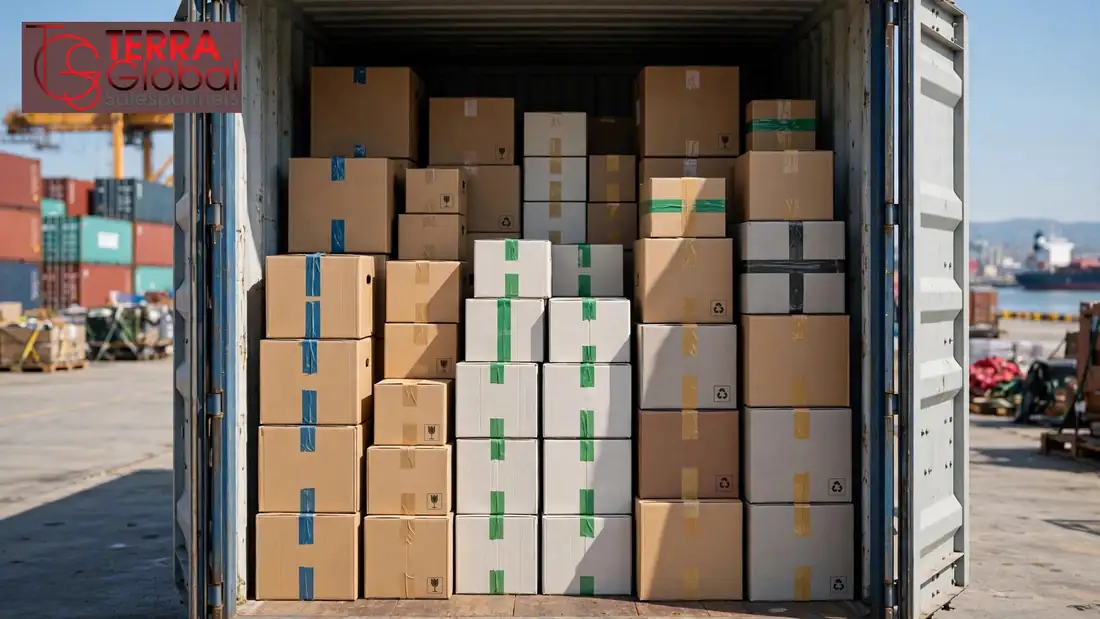
The real magic of consolidation is operational. Instead of tracking five parcels from five factories, you track one shipment with one forwarder, one timeline and one invoice. LCL consolidation is how smart buyers simplify their import logistics and cut admin hours every month.
Terra’s consolidation service collects from multiple suppliers, quality-checks each lot, then builds a single export lot. Big names like DHL Global Forwarding offer similar shipping options, but Terra pairs the logistics with on-the-ground sourcing support in Japan, so the shipping experience feels seamless from factory floor to your warehouse.
Related, how Terra simplifies product sourcing in Japan · Mizkan Cooking Sake
Get Your Goods to Market, Shipping Goods From Multiple Suppliers in One Shipment
Speed matters when you need to get your goods to market before a season peaks. Shipping goods from multiple suppliers in one shipment means one customs clearance, one delivery appointment and one point of contact.
Your shipping work shrinks to a single purchase-order flow. LCL consolidation also protects quality. Terra inspects each supplier’s cartons before they share a container, so a leaking bottle from one factory never ruins another supplier’s boxes. From origin to destination, one accountable partner owns the outcome.
Related, wholesale buying from Japan benefits and best practices
The 40-Foot Question, Port Charges, CFS Fees and Other LCL Shipment Costs
A 40-foot container holds about 67 cubic meters, so anything below 15 cubic meters usually ships cheaper as LCL. Beyond ocean freight, budget for CFS handling, destination port charges and deconsolidation fees.
LCL consolidation quotes should itemize every fee, and Terra’s quotes always do. Watch container shipping surcharges like peak-season and fuel adjustments. Because due to consolidation your goods ride with others, those extras are split across the box, which keeps your shipping costs predictable even when ocean freight rates spike.
Related, import export process from Japan · QBB Premium Baby Cheese Truffle
LCL Consolidation Frequently Asked Questions, Transit, Tracking and Global Trade Answers
Buyers new to shared container space ask smart questions, and clear answers build confidence. LCL consolidation fits naturally into global trade for small and mid-size importers, and this section tackles the concerns Terra hears most, from cargo safety to milestone tracking.
Terra’s service offers milestone tracking from Yokohama to final delivery, so you always know where your LCL cargo sits. That visibility, paired with fixed weekly sailings, gives shared freight the reliability many buyers assume only full containers provide.
Related, customs clearance in Japan complete importer guide
From Yokohama to Your Door, Deconsolidation, Customs Clearance and Final Delivery
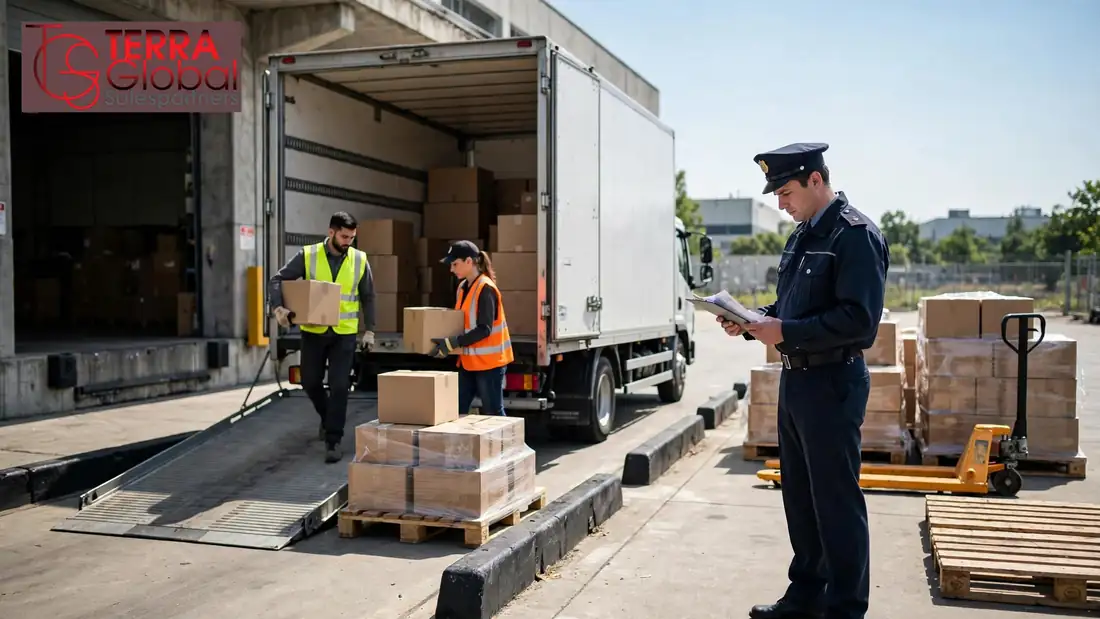
LCL consolidation does not end at the discharge port. Upon arrival, the forwarder strips the box at the container freight station, completes customs clearance for each house bill, then releases pallets for final delivery. Terra’s global logistics network coordinates this last mile with the same care as the first. Whether your LCL cargo needs a full truck or a parcel handoff, one team coordinates it end-to-end, and your shipping methods and shipping solutions stay flexible as volumes grow.
Related, Japan 3PL services for global importers · Takara Hon Mirin
Conclusion
LCL consolidation turns small multi-supplier orders into one cost-effective shipment. You share container space, pay only for the volume you use, and skip the wait for a full box. With Terra Global Sales Partners handling pickup, consolidation, ocean freight and delivery, importing from Japan stays simple, predictable and profitable.
Ready to combine your Japanese suppliers into one shipment? See our logistics in Japan service or request a shipping quote from Terra Global Salespartners.
FAQs
How much cargo do I need for LCL shipping?
As little as one pallet or one cubic meter. Shared container services work for tiny lots, so small orders ship affordably.
Is LCL slower than FCL?
Slightly, usually 3 to 7 extra days for consolidation and deconsolidation. Weekly sailings keep schedules reliable.
How are LCL charges calculated?
Rates are calculated based on volume per cubic meter or weight, whichever is greater, plus handling fees.
Can food products ship via LCL?
Yes, many Terra food items like sauces and snacks consolidate well. Temperature-sensitive goods need reefer options, so ask first.
Why choose Terra for shared container shipping from Japan?
One partner handles sourcing, quality checks, consolidation, freight and delivery, with English support throughout.